Architecture / Cultural project
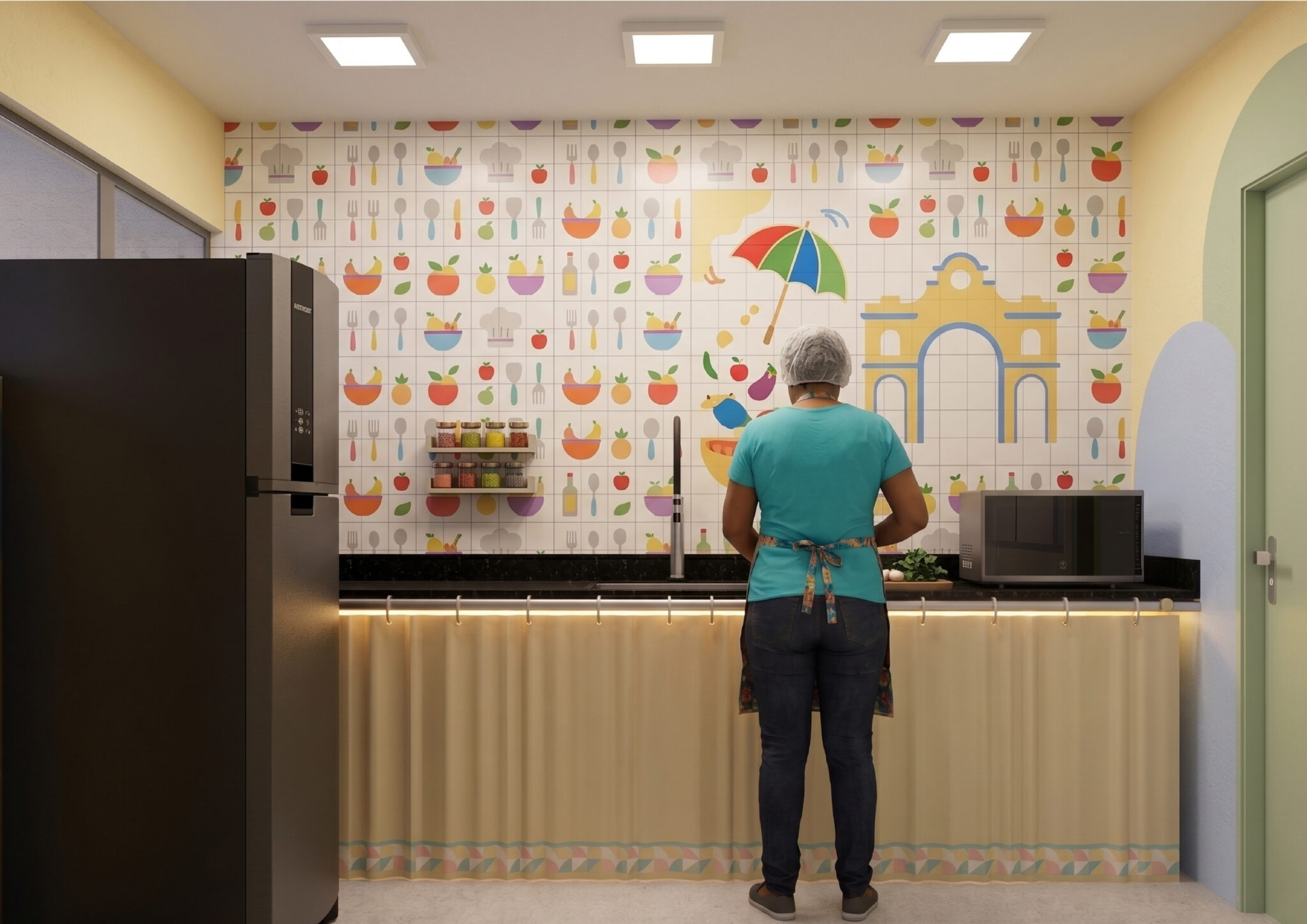
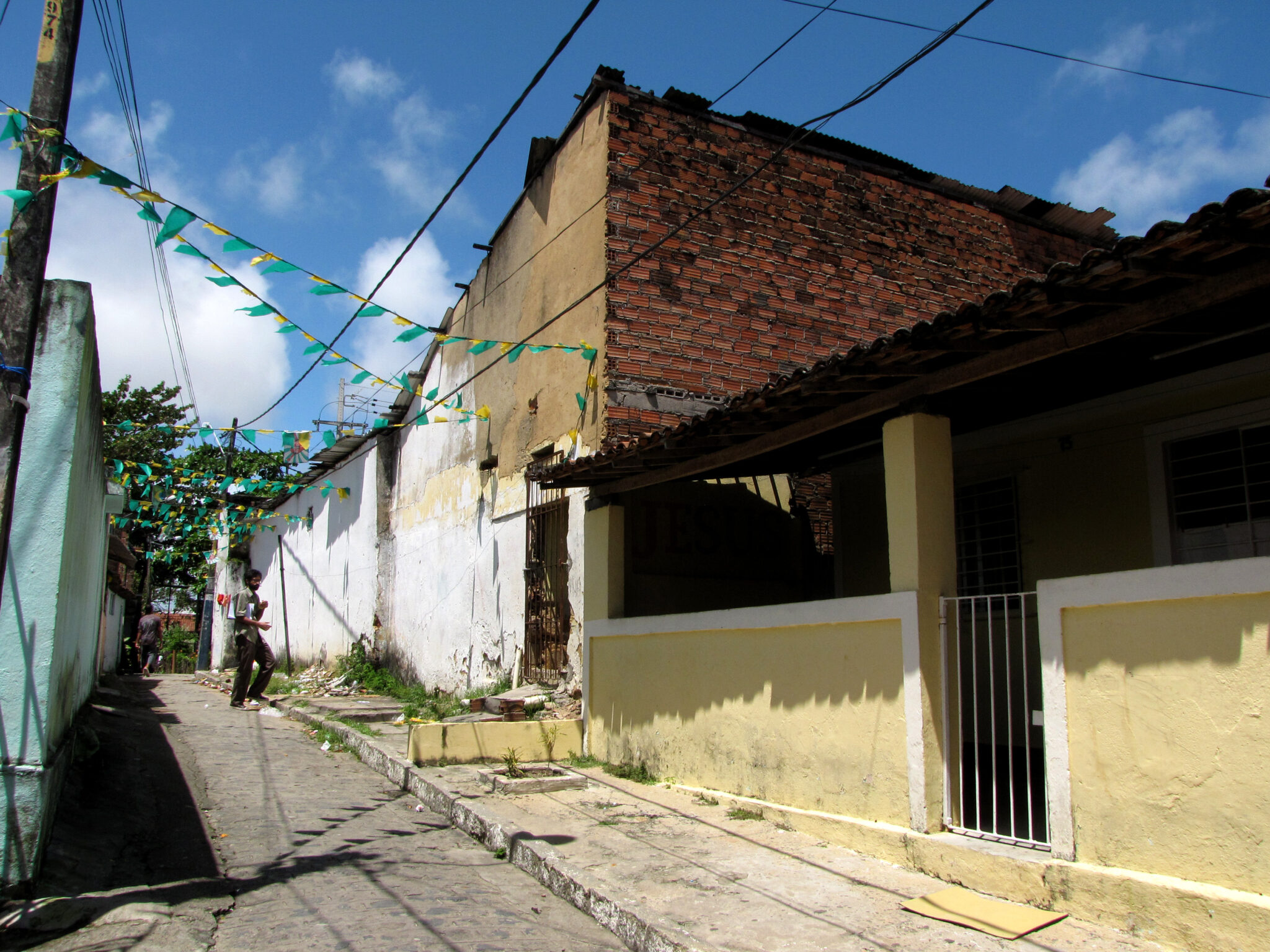
Alto José Bonifácio is a territory of cultural effervescence and vibrant community life in the northern zone of Recife. A Community Library in this context is not merely a physical space, but an act of political affirmation and democratization of access to knowledge. This is precisely what education activist Fábio Rogério has been fighting for over the past 20 years.
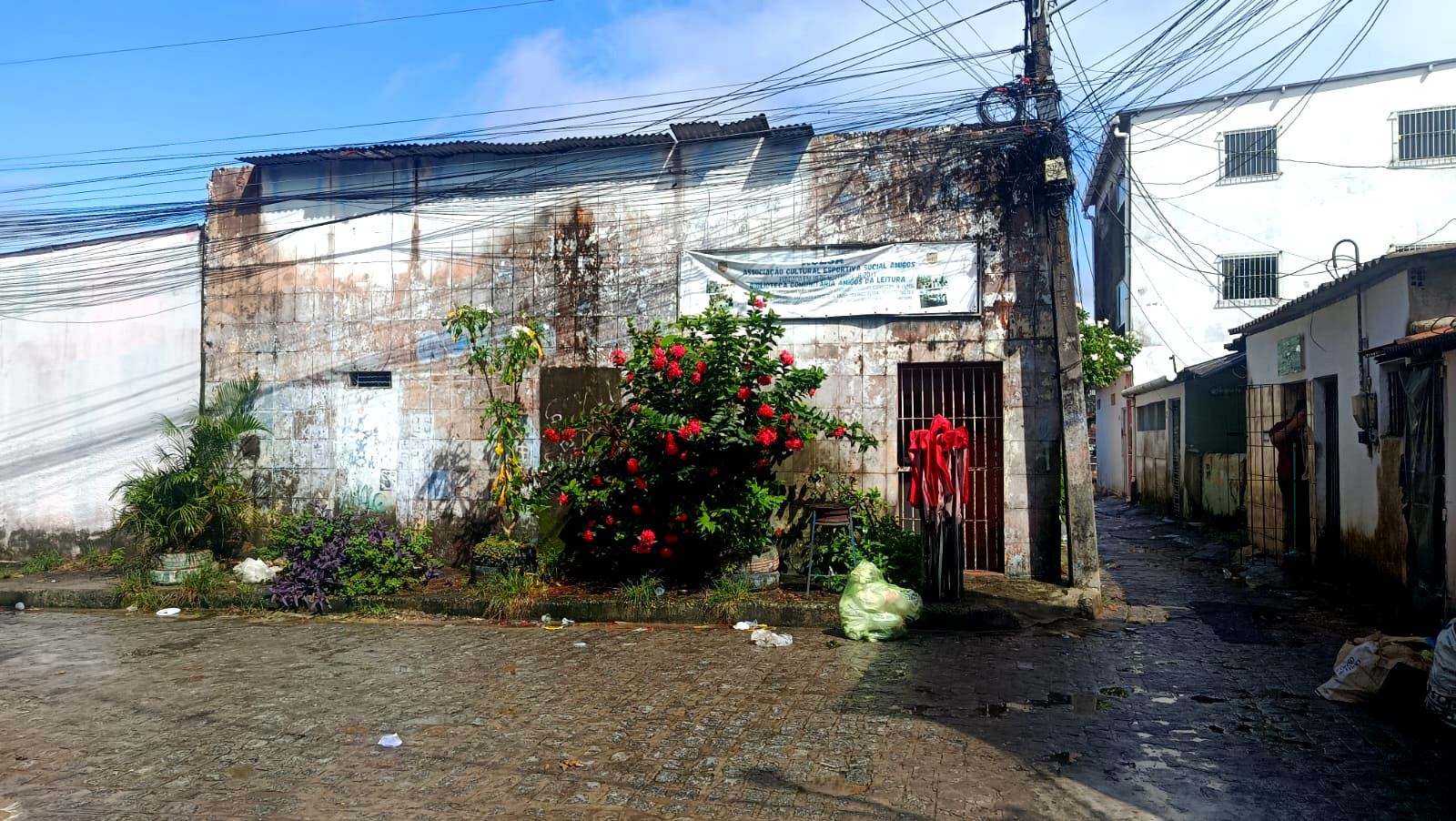
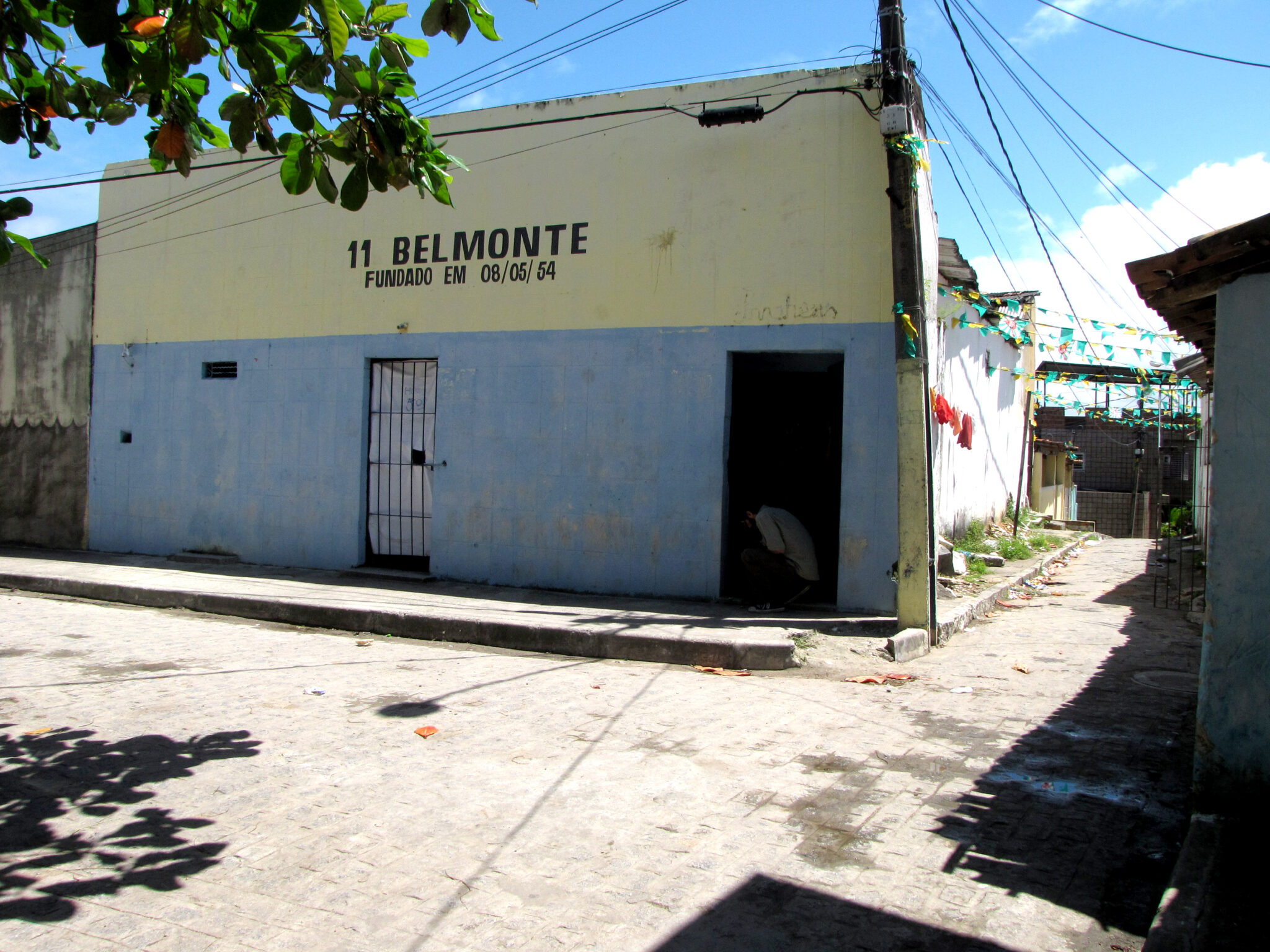
The Amigos da Leitura Library has existed since 2004 and, in 2009, was established within the premises of the former Clube 11 Belmonte, located at the heart of the neighborhood. In 2025, ownership of the property was transferred to the Library. Today, in its own permanent headquarters, the space urgently requires renovation, as the Civil Defense authorities have ordered the suspension of the Library’s activities for an indefinite period.
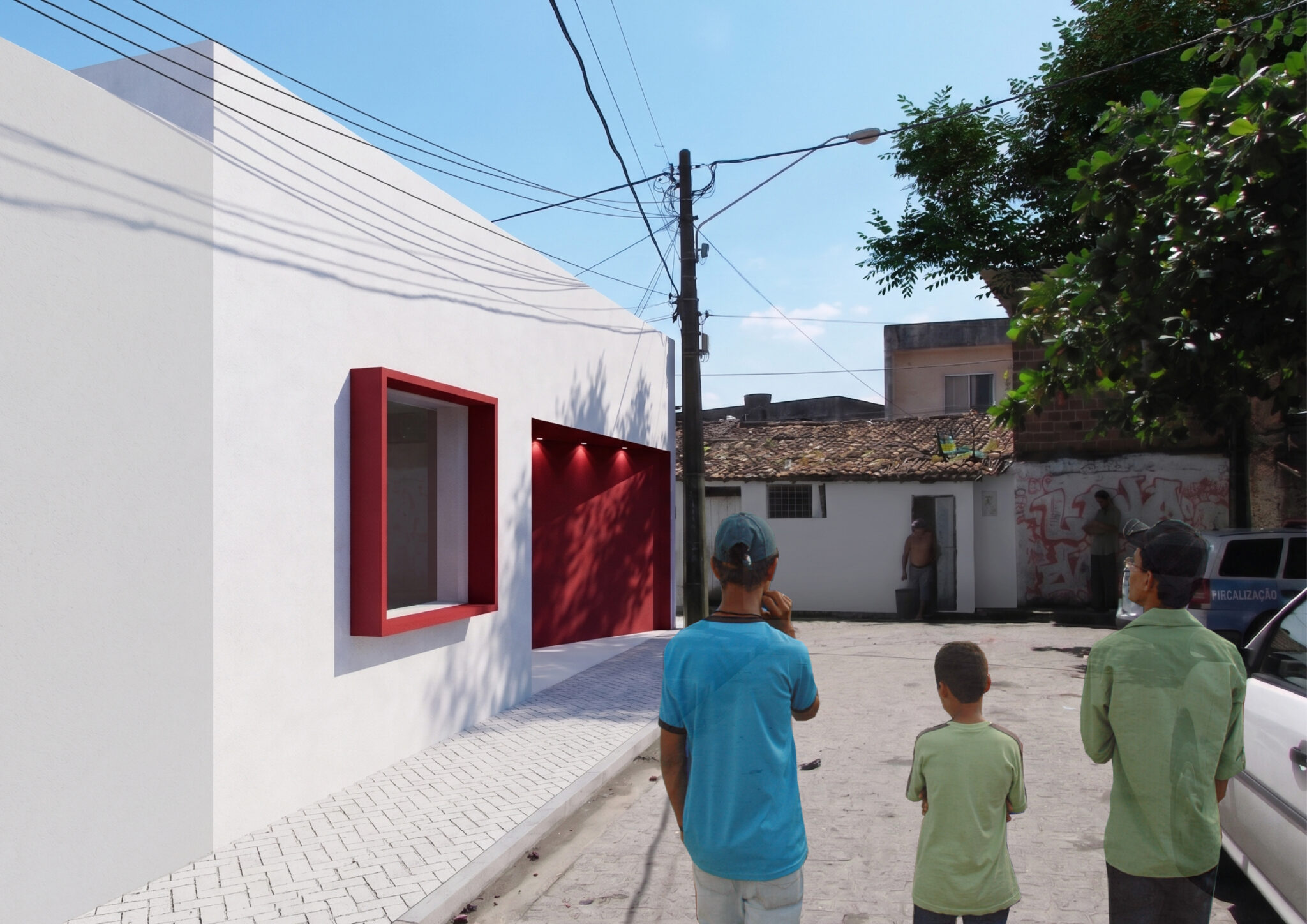
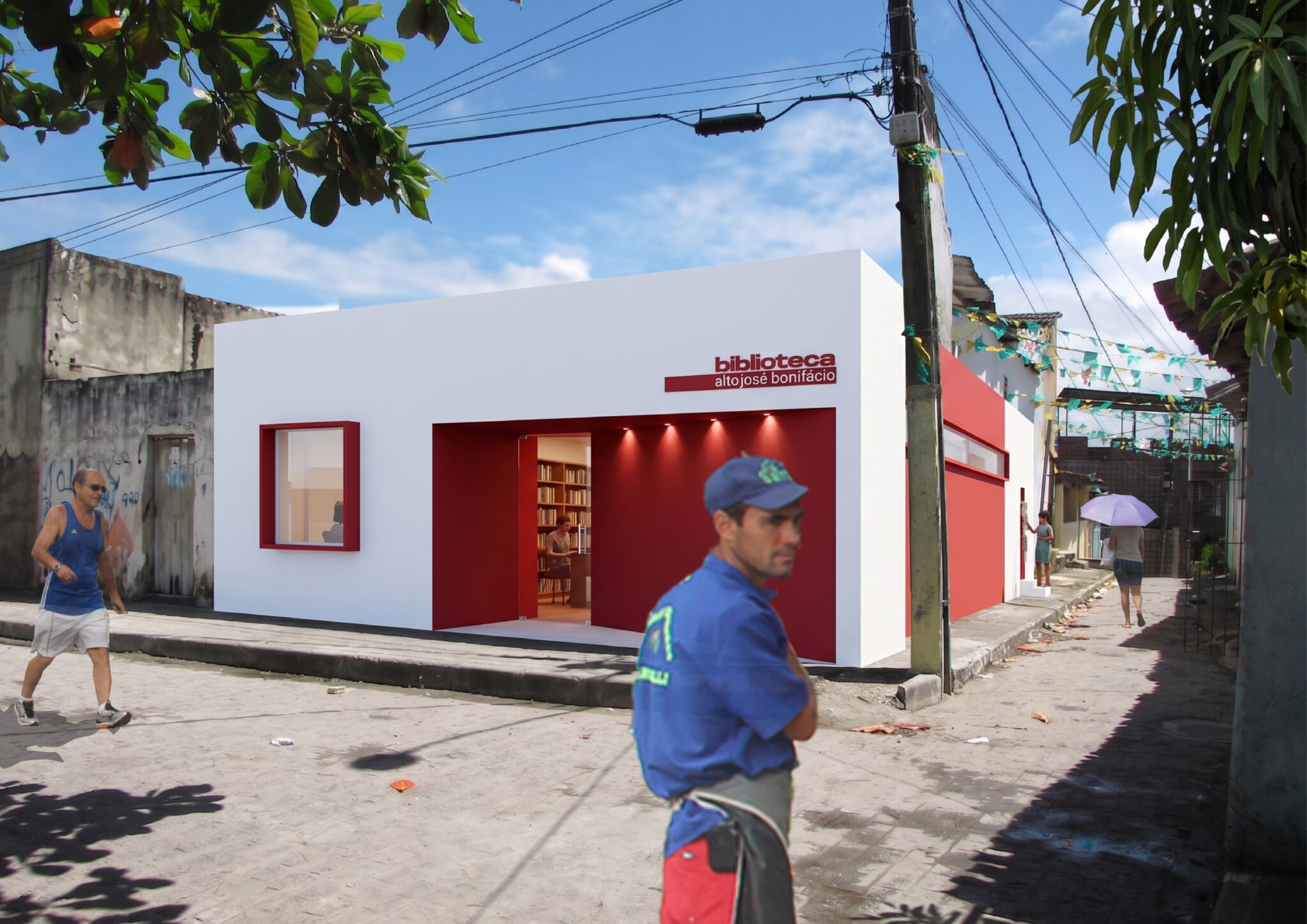
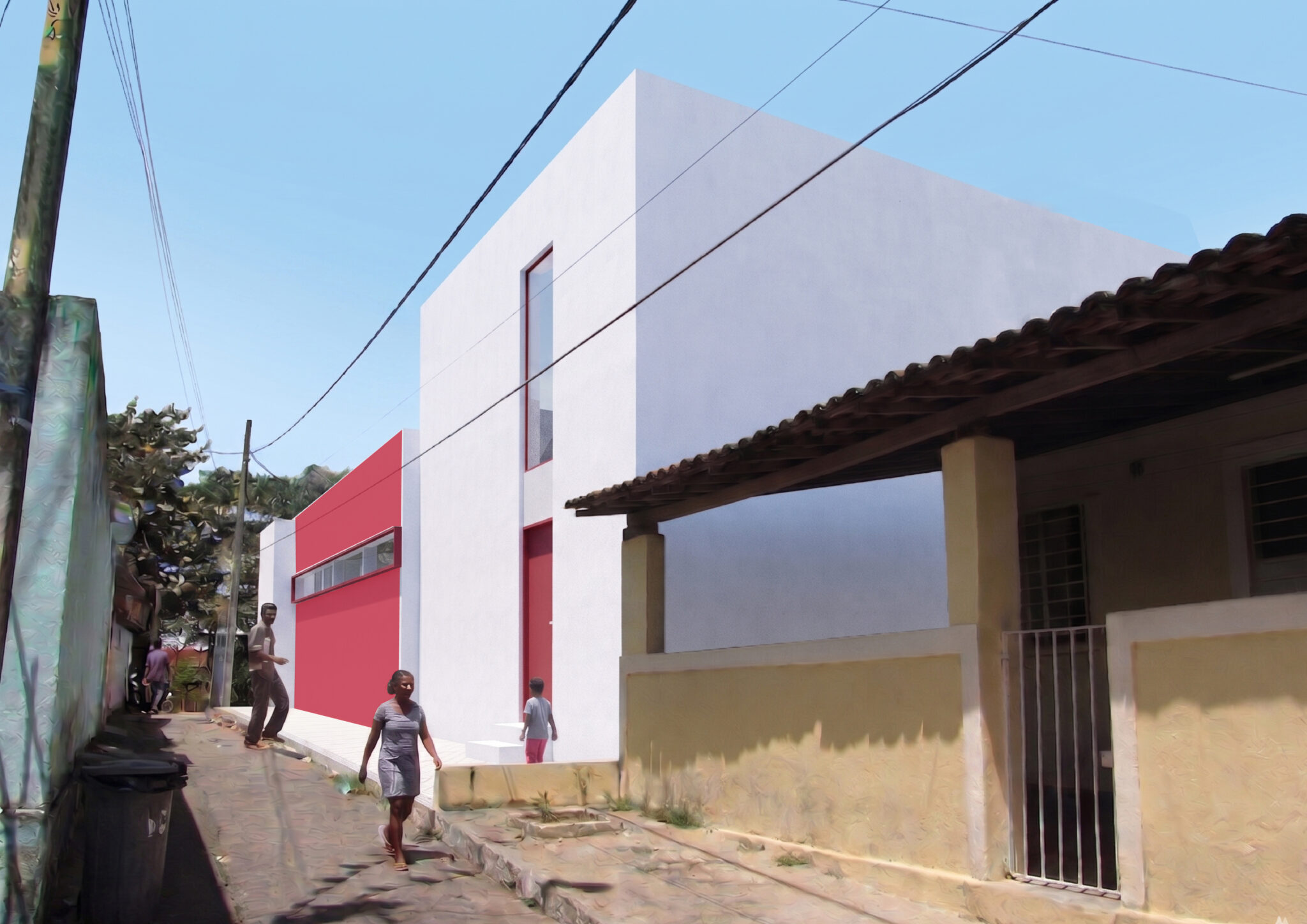
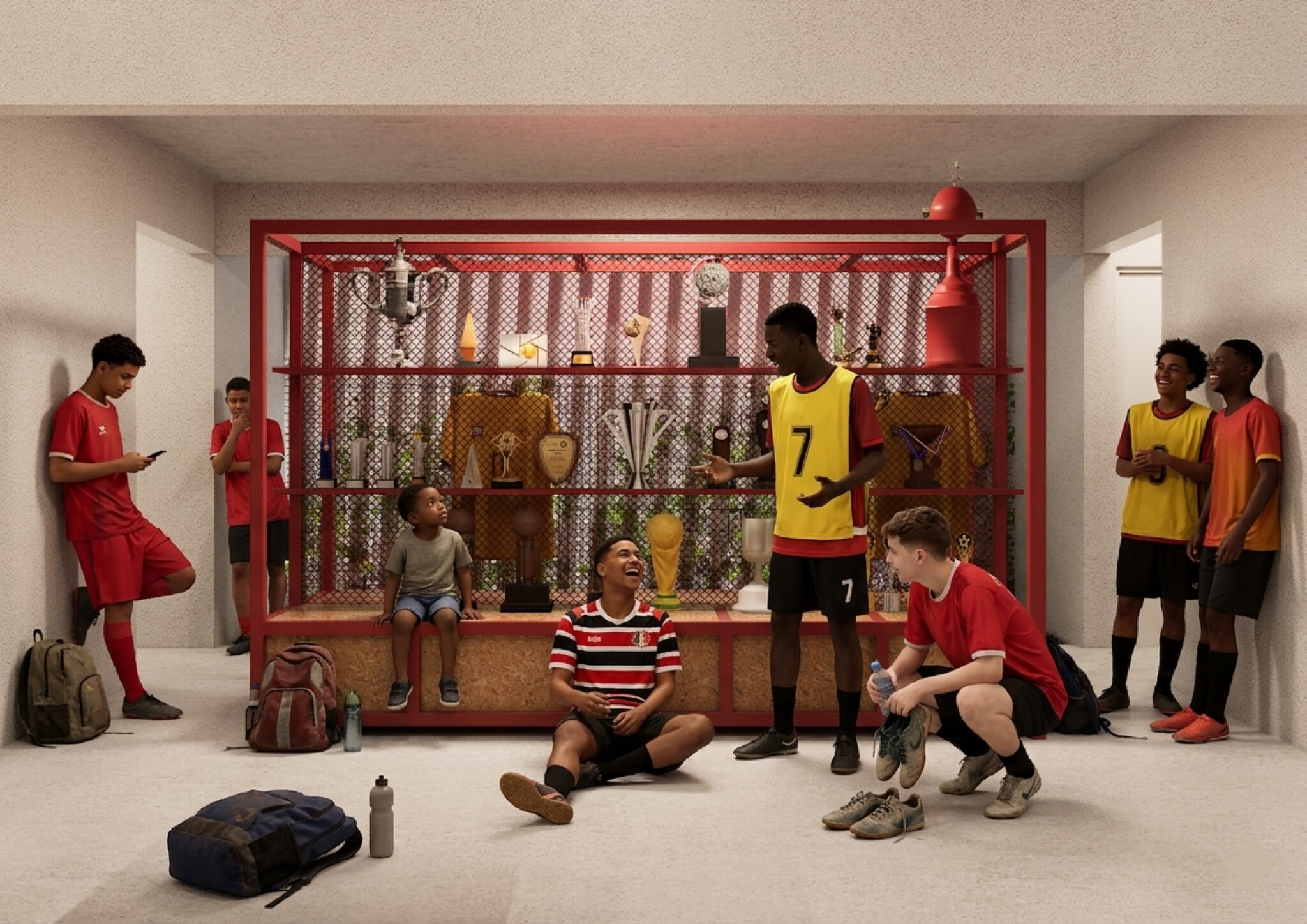
The project therefore emerges from the understanding that the former Clube 11 Belmonte already carries within its walls the collective memory and emotional bonds of local residents. The central concept is thus the resignification of the preexisting space: honoring the history and communal vocation of the site while preparing it for the future.
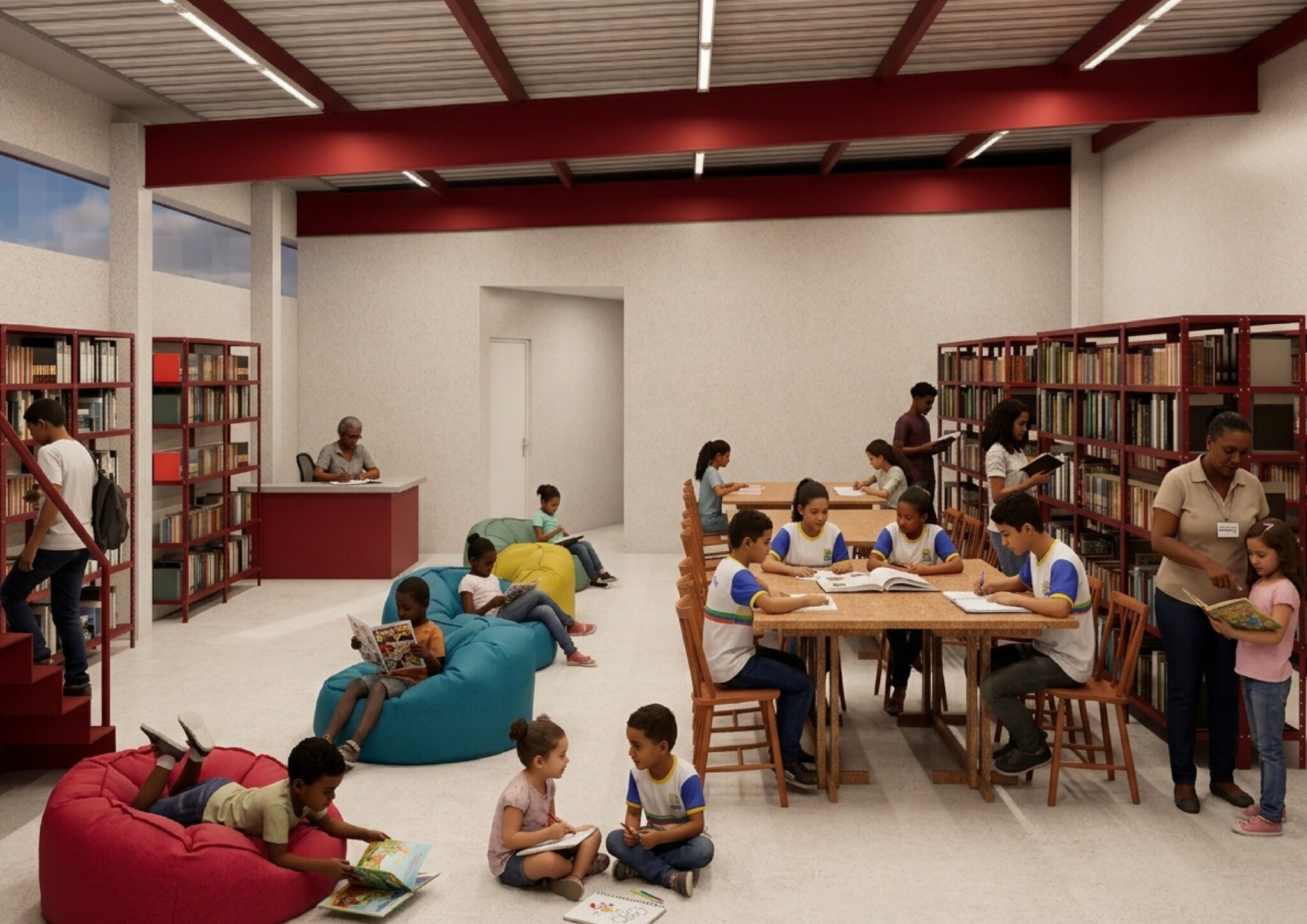
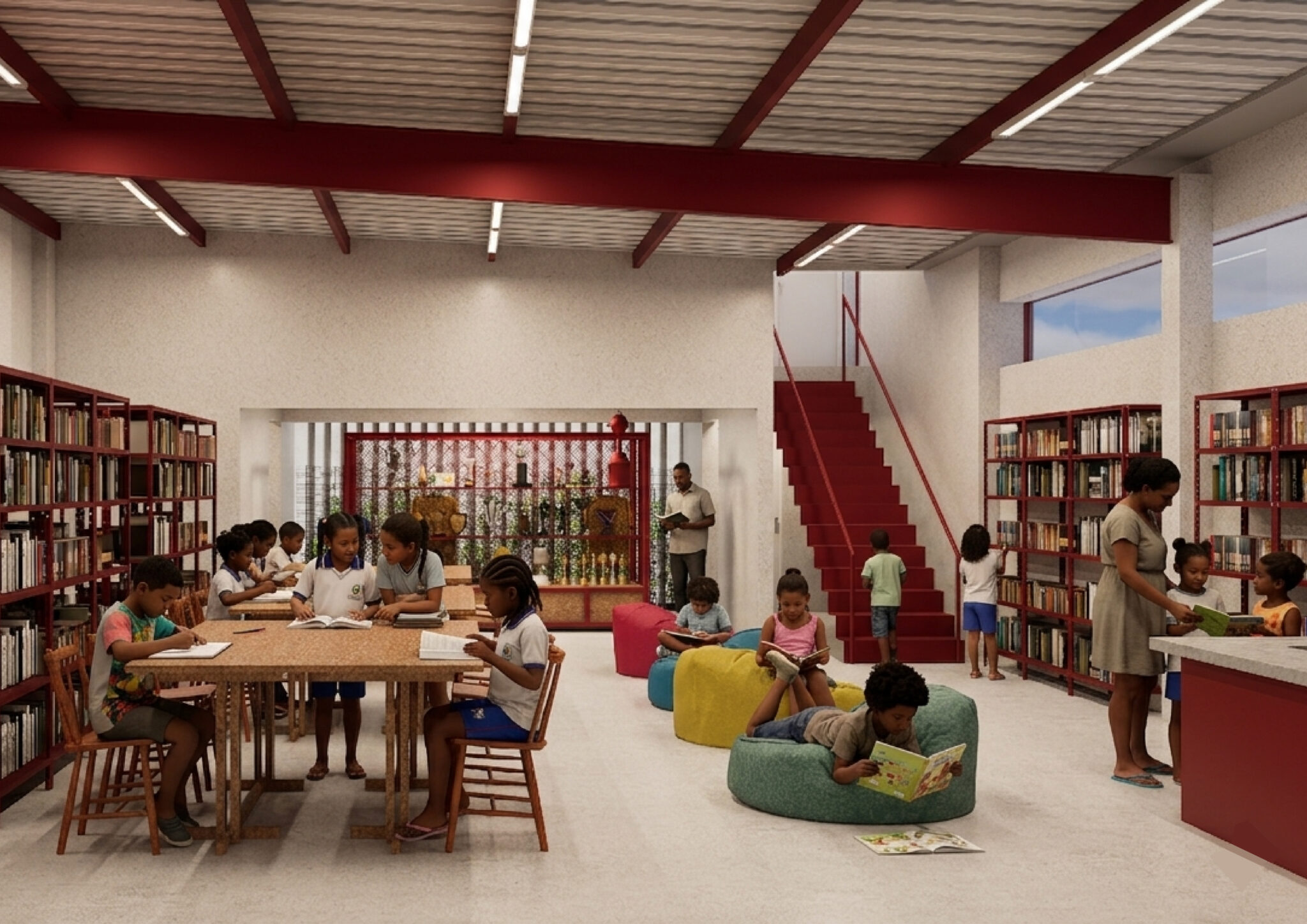
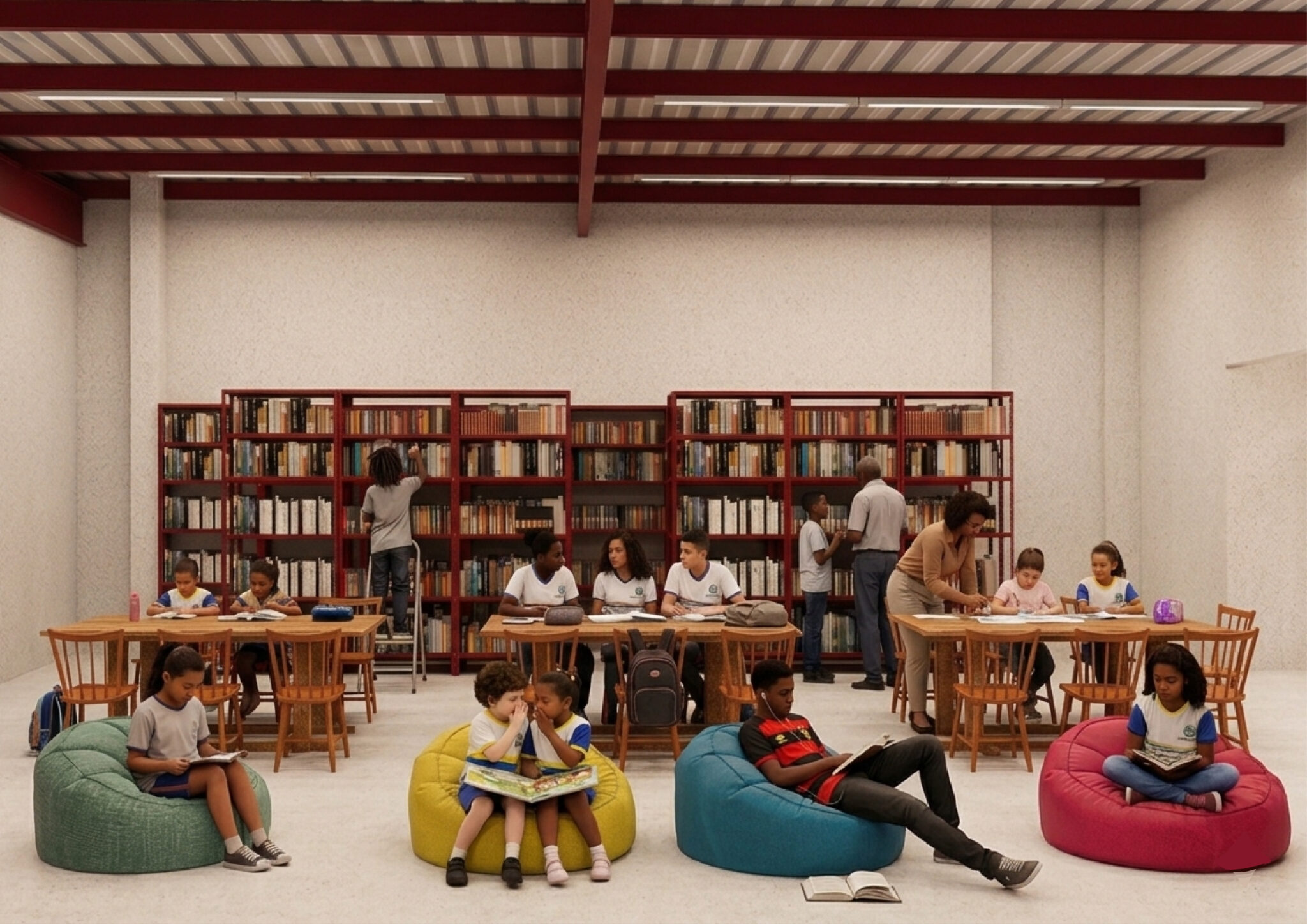
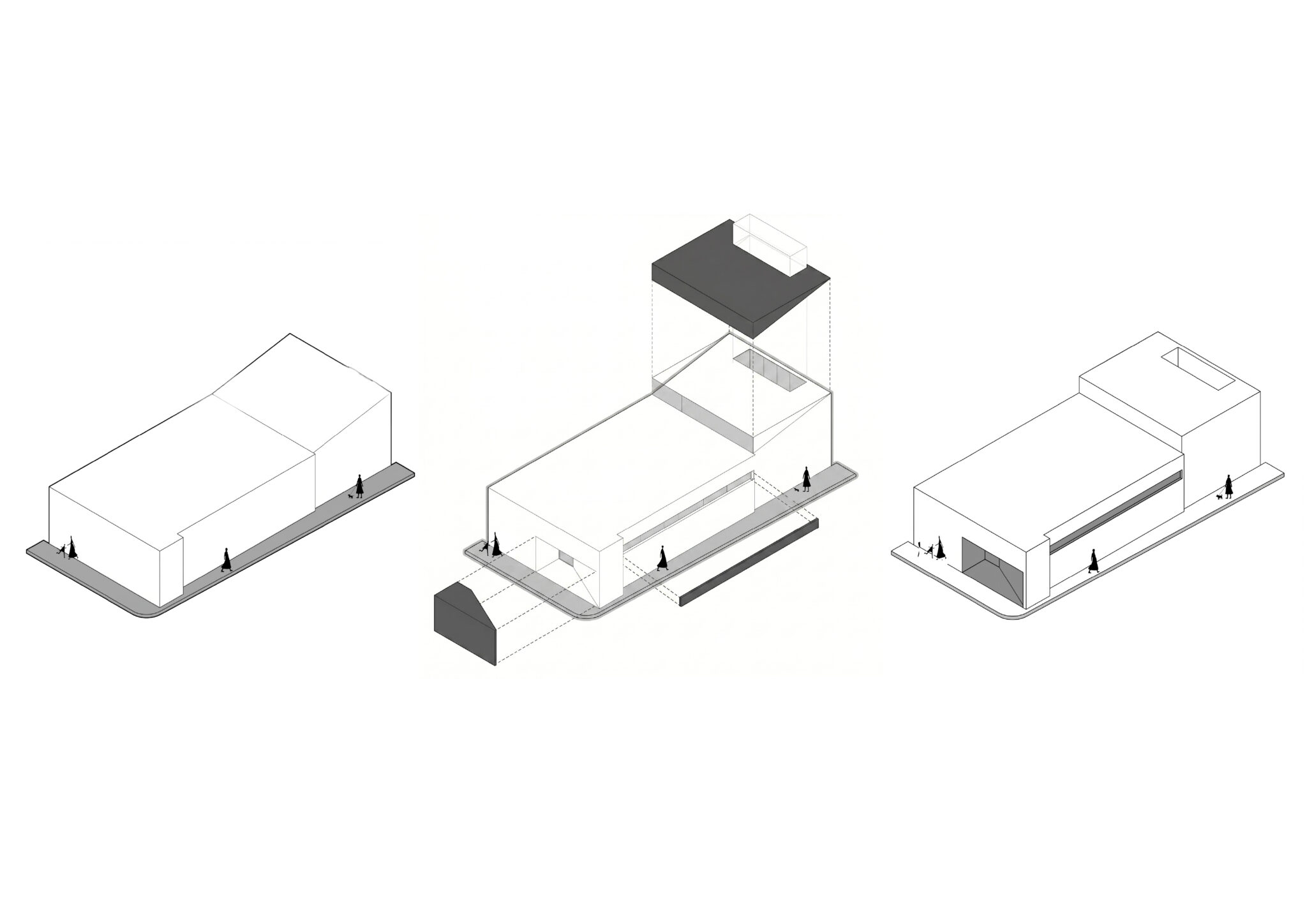
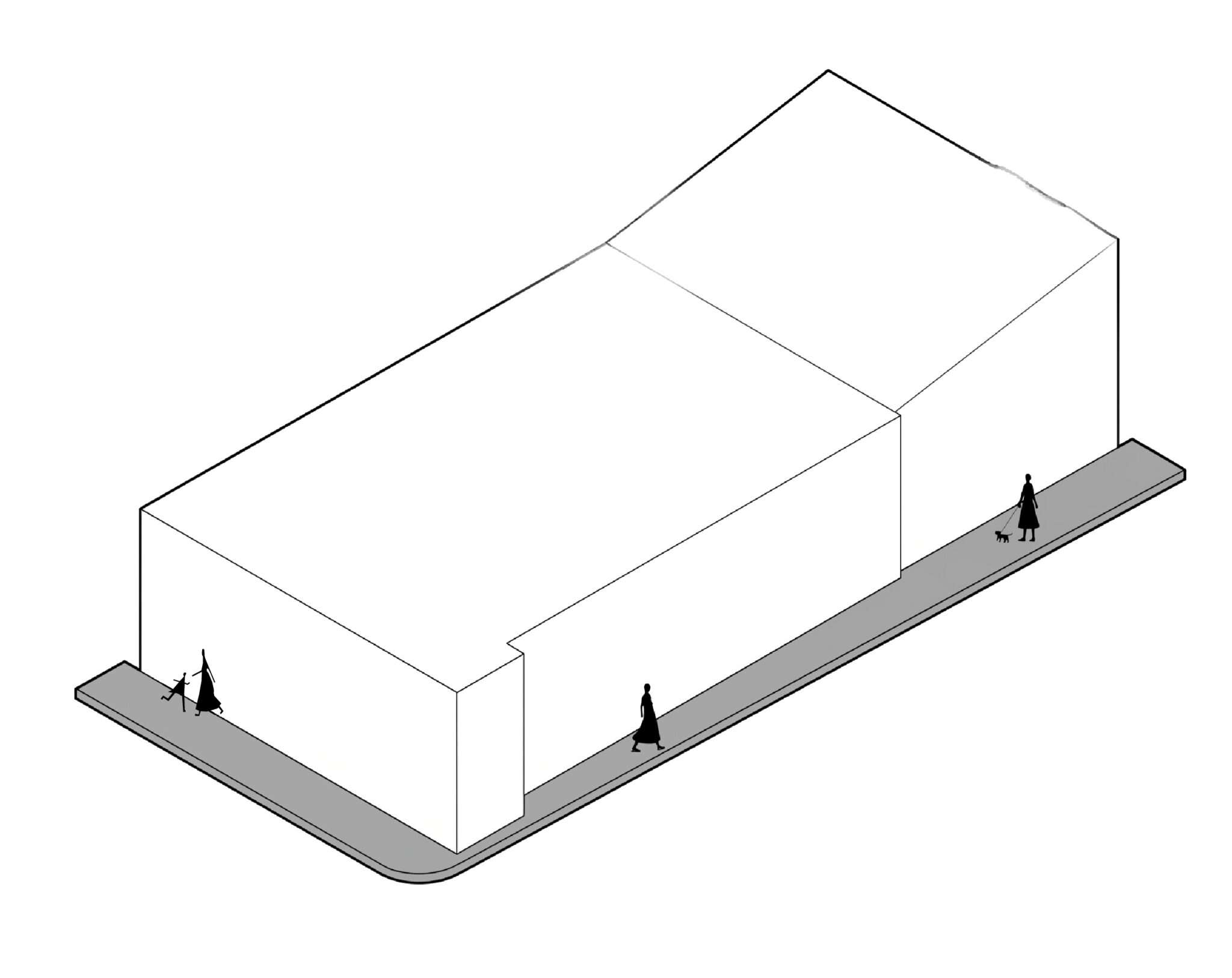
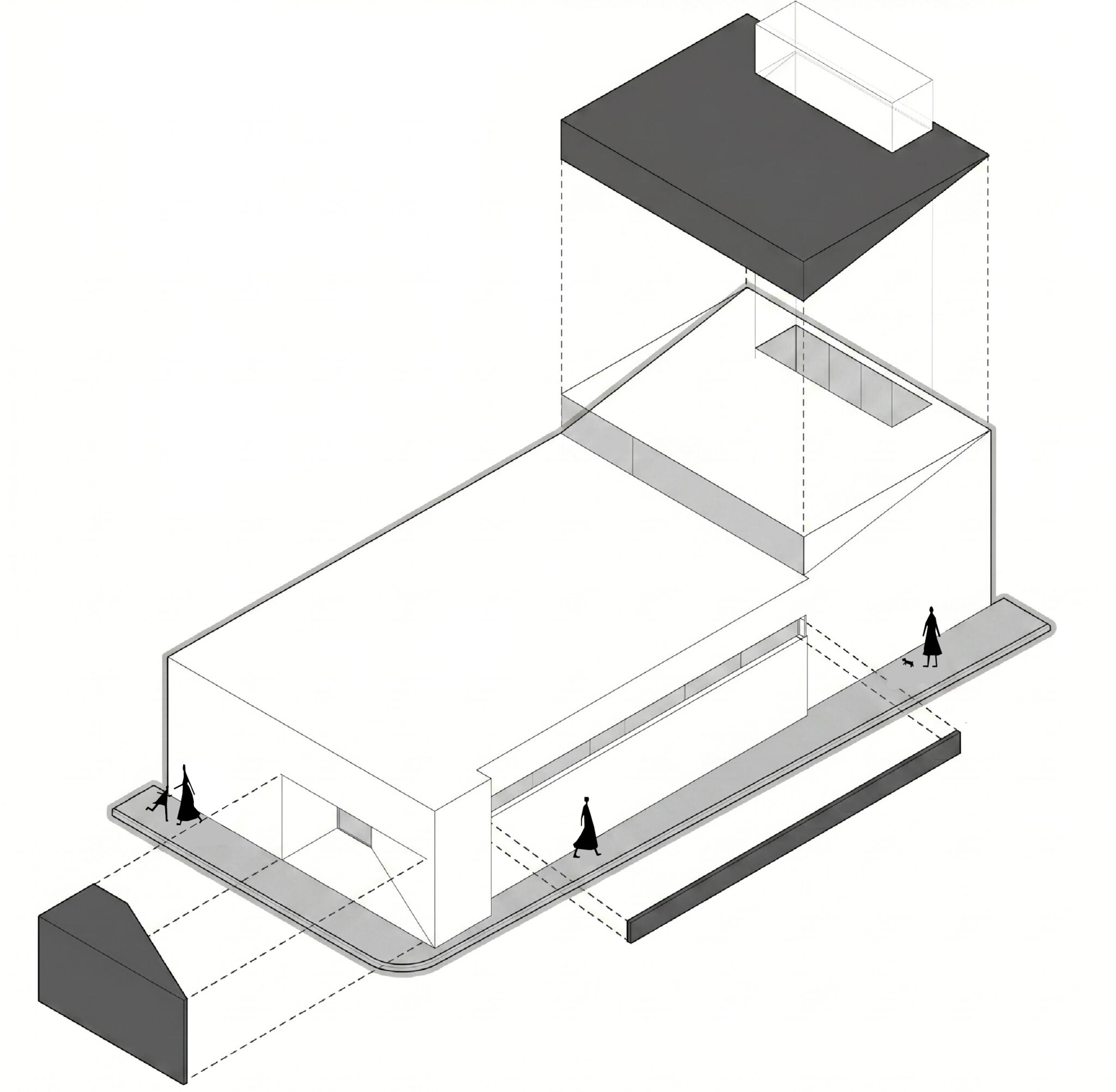
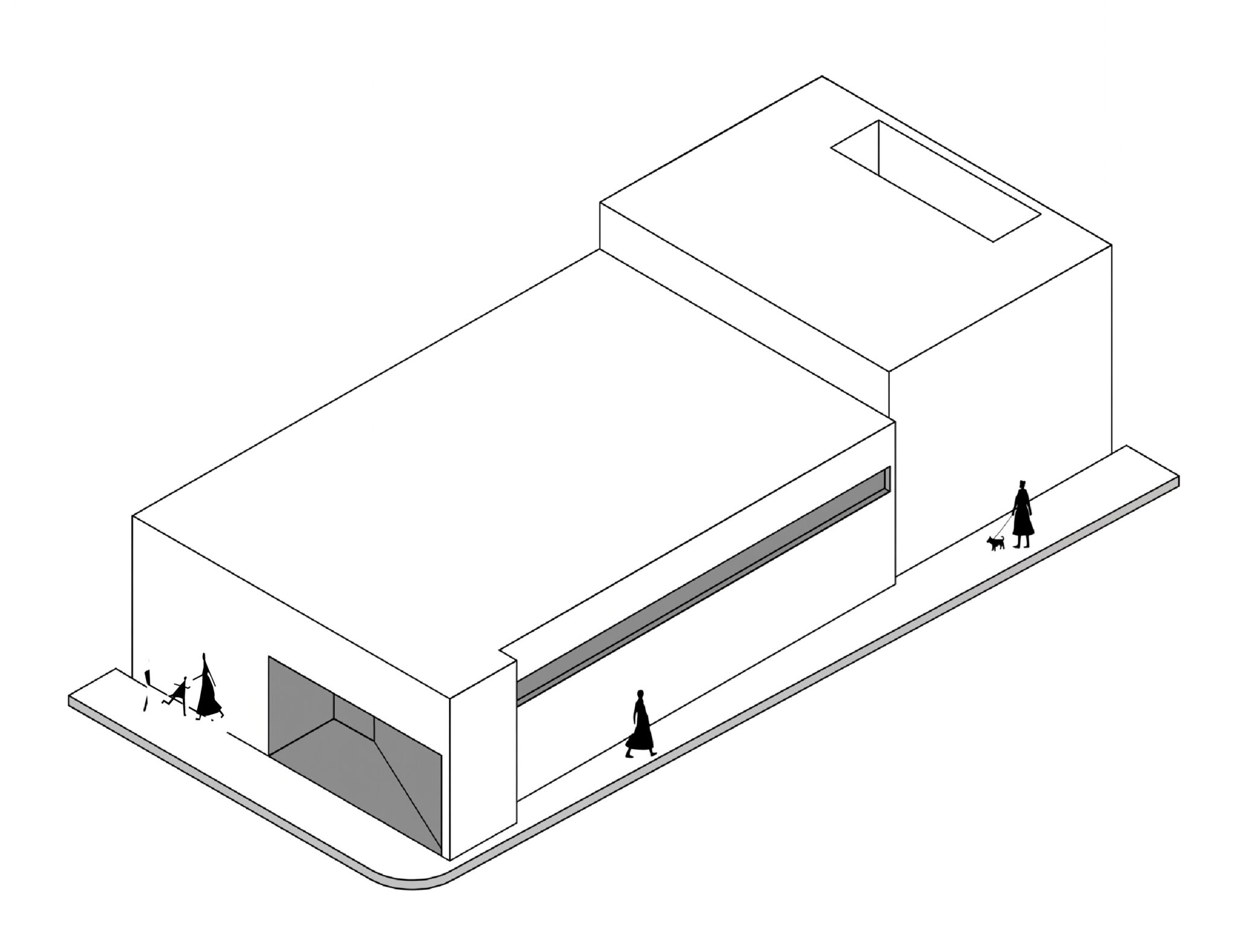
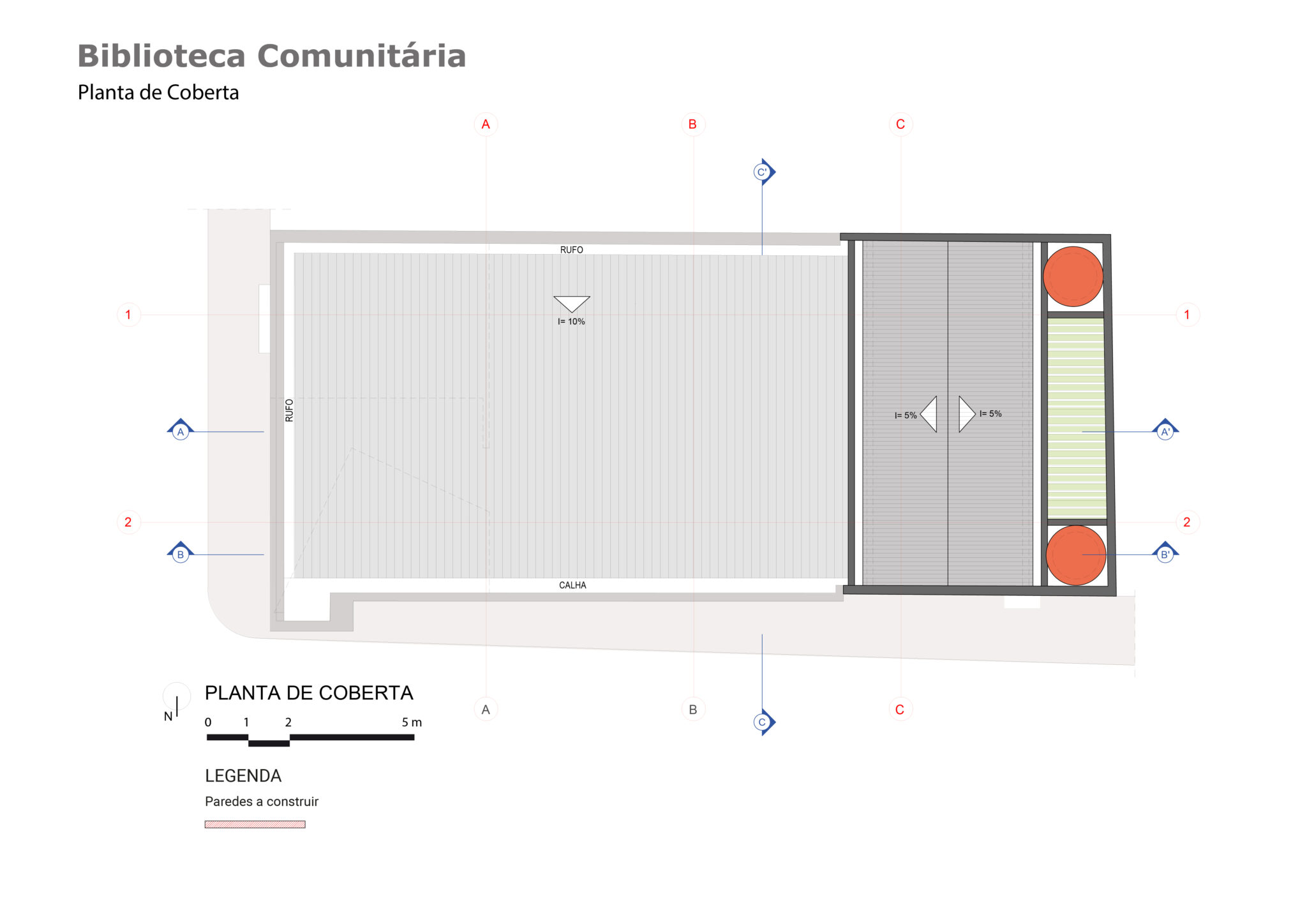
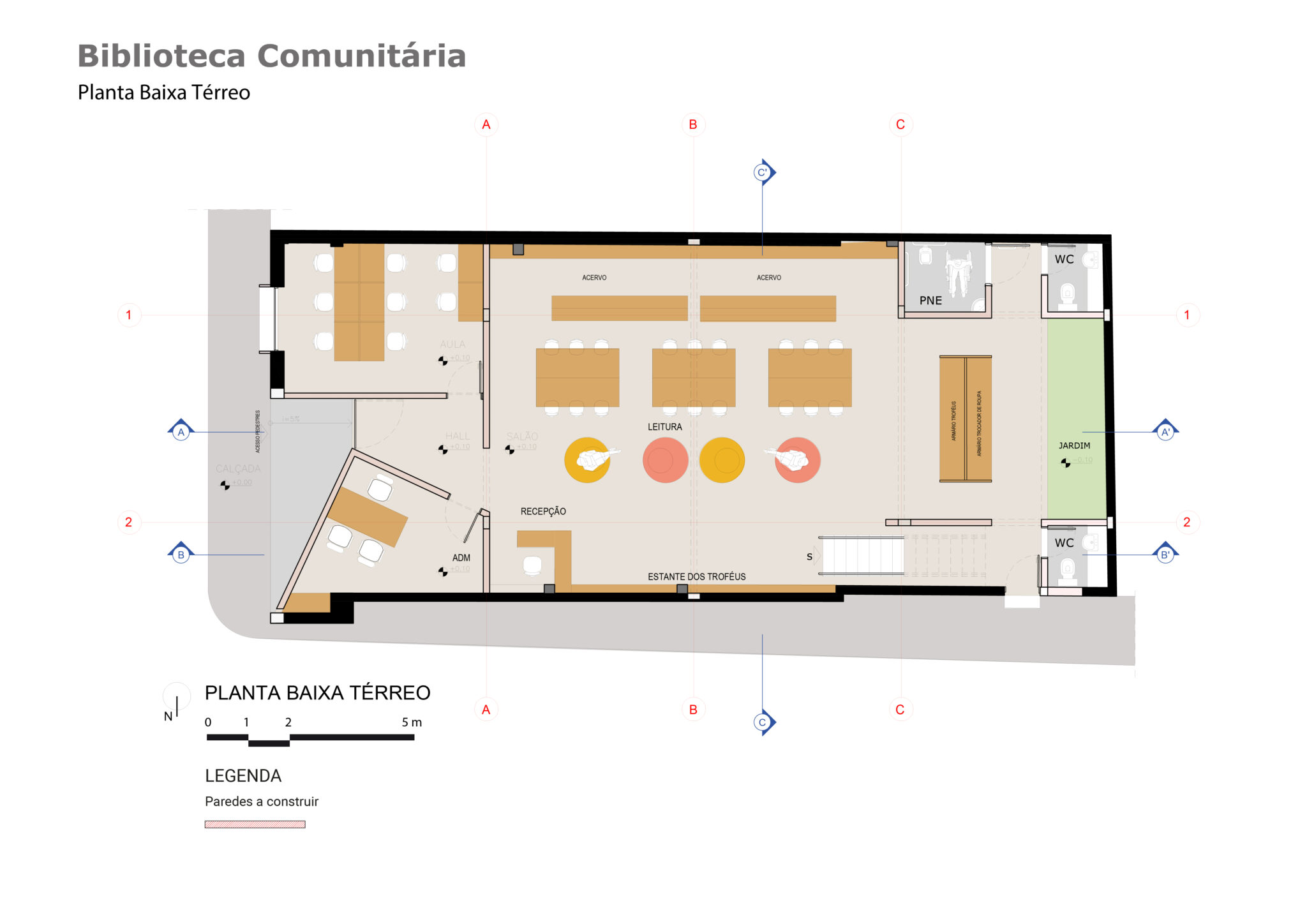
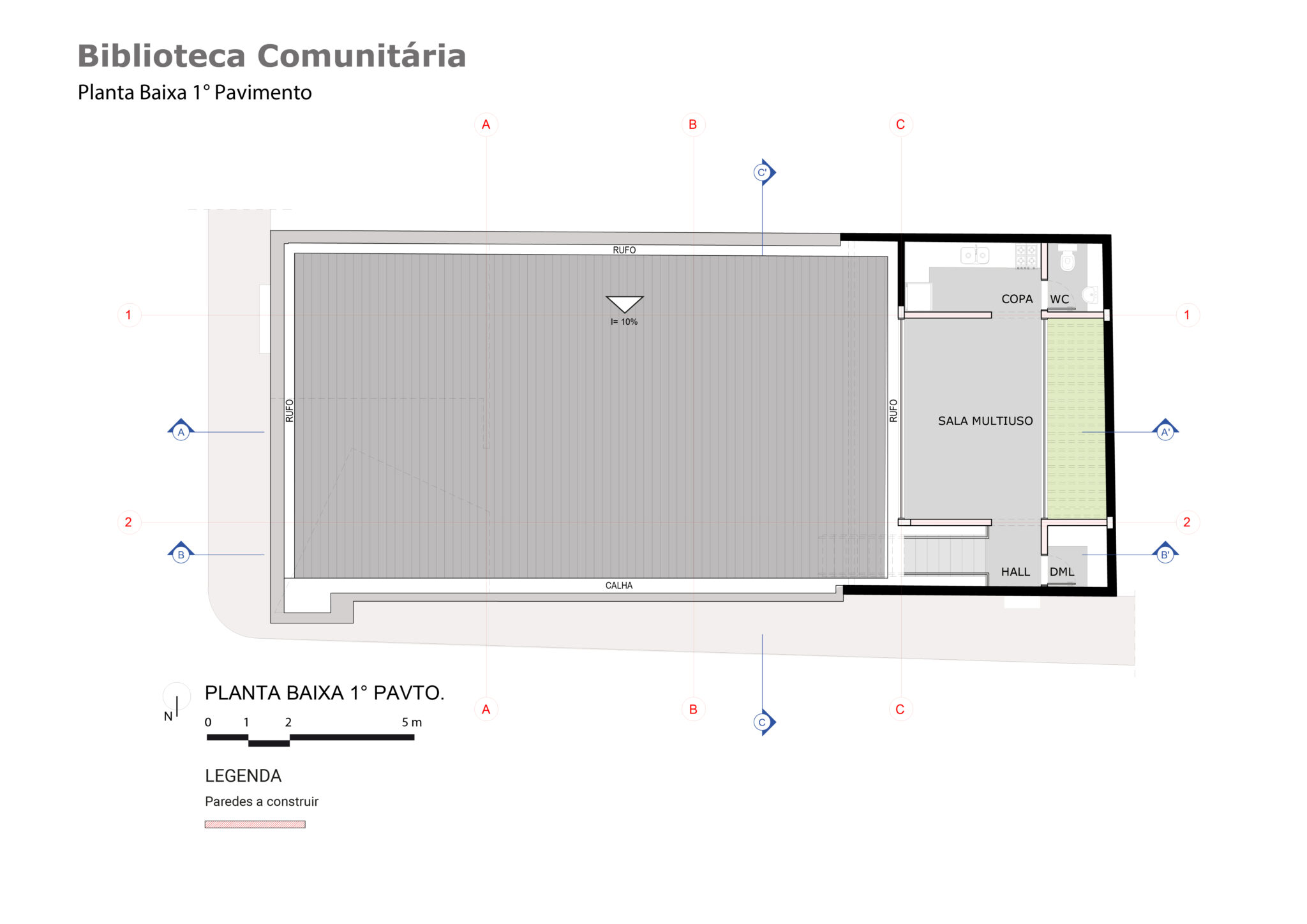
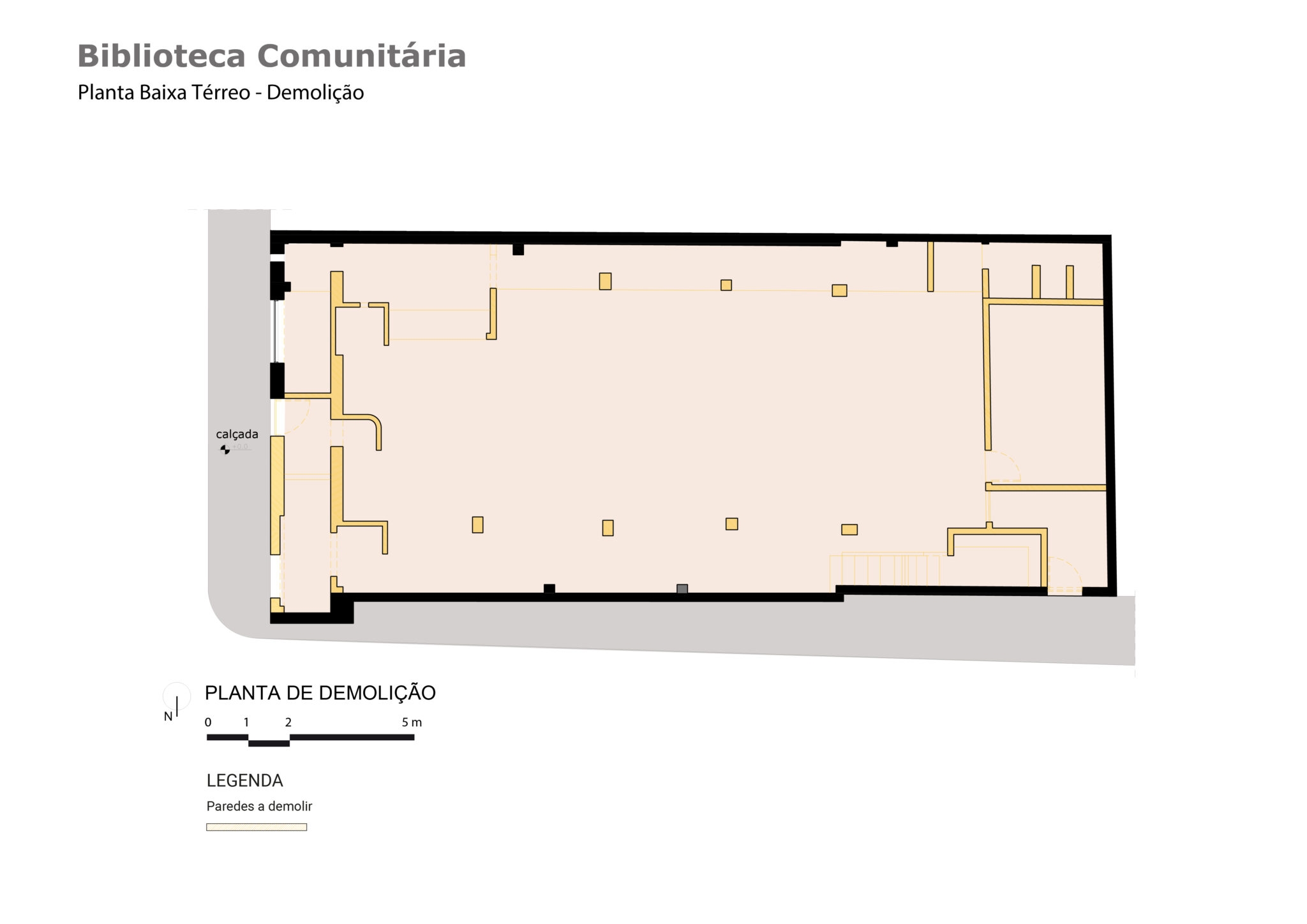
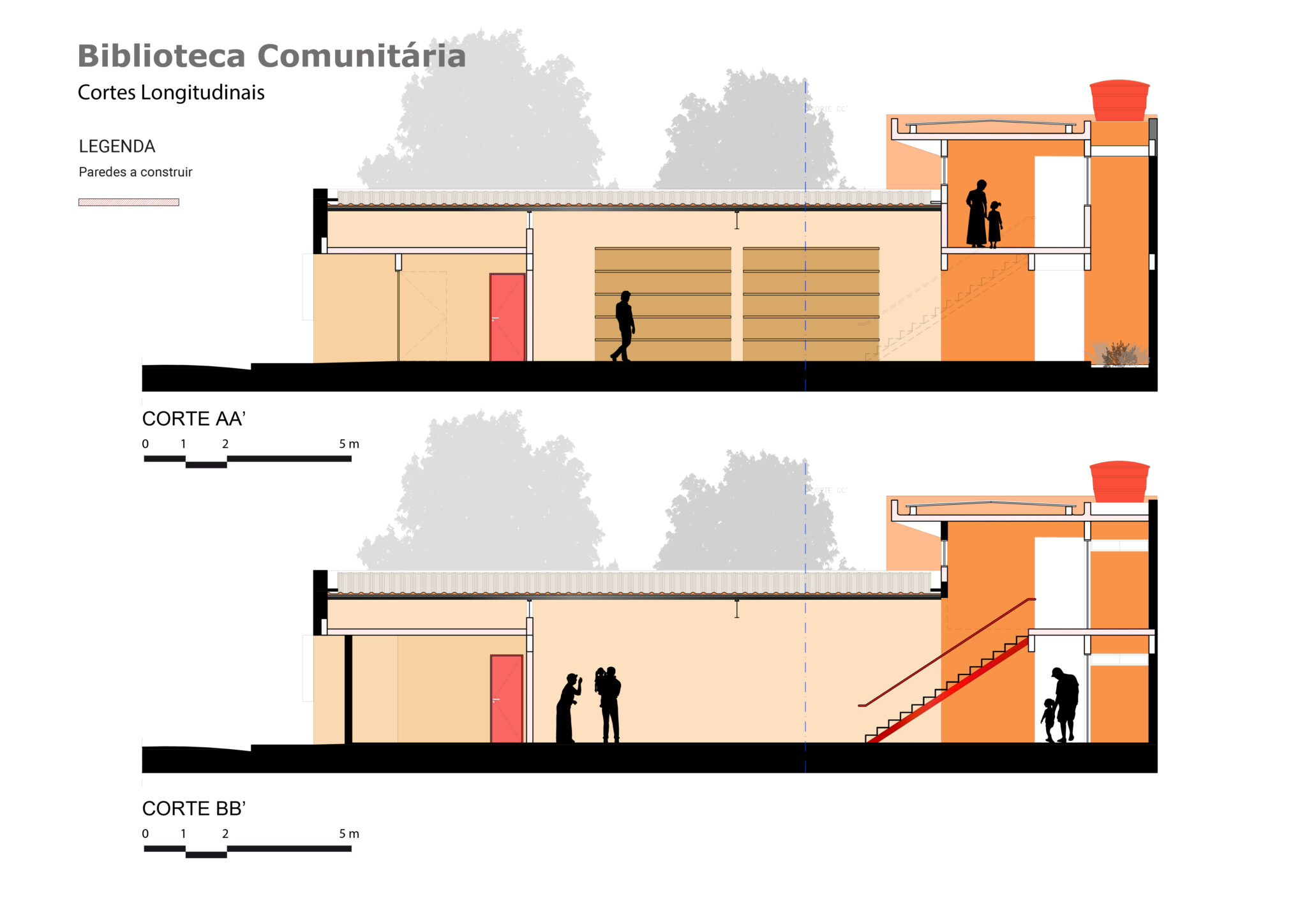
The architectural approach adopts a strategy of targeted intervention that takes advantage of the former club’s existing spatial qualities. The project’s main protagonist already exists: the vast central void. Rather than making major alterations to the primary structure, the proposal concentrates demolitions on the built masses located at the front and rear portions of the lot. This spatial “clearing” brings new openness and ventilation to the floor plan while preserving the former main hall as the heart of the library: a continuous, flexible, and welcoming space capable of accommodating reading areas and the main collection, while adapting to the multiple dynamics of a contemporary cultural facility.
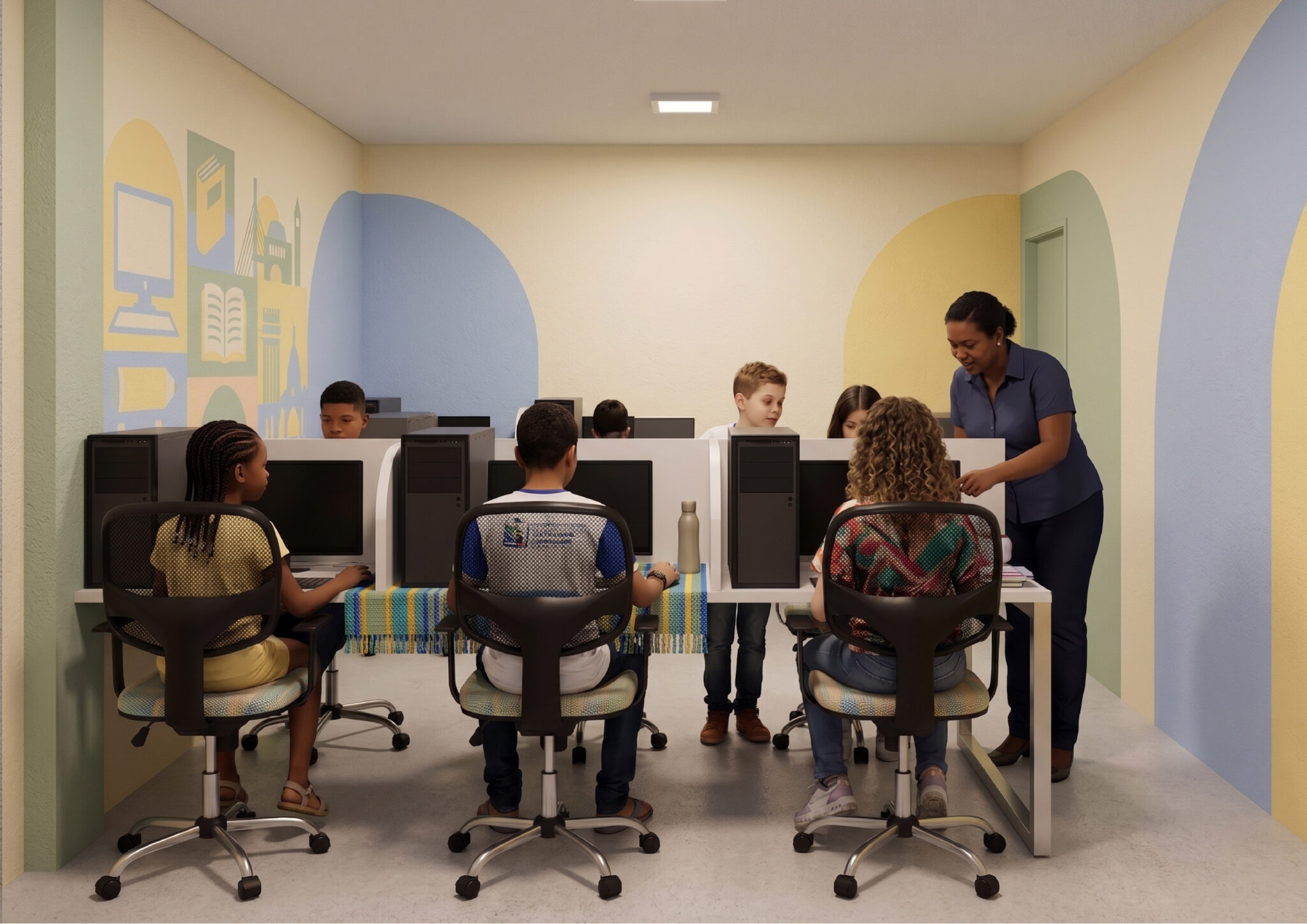
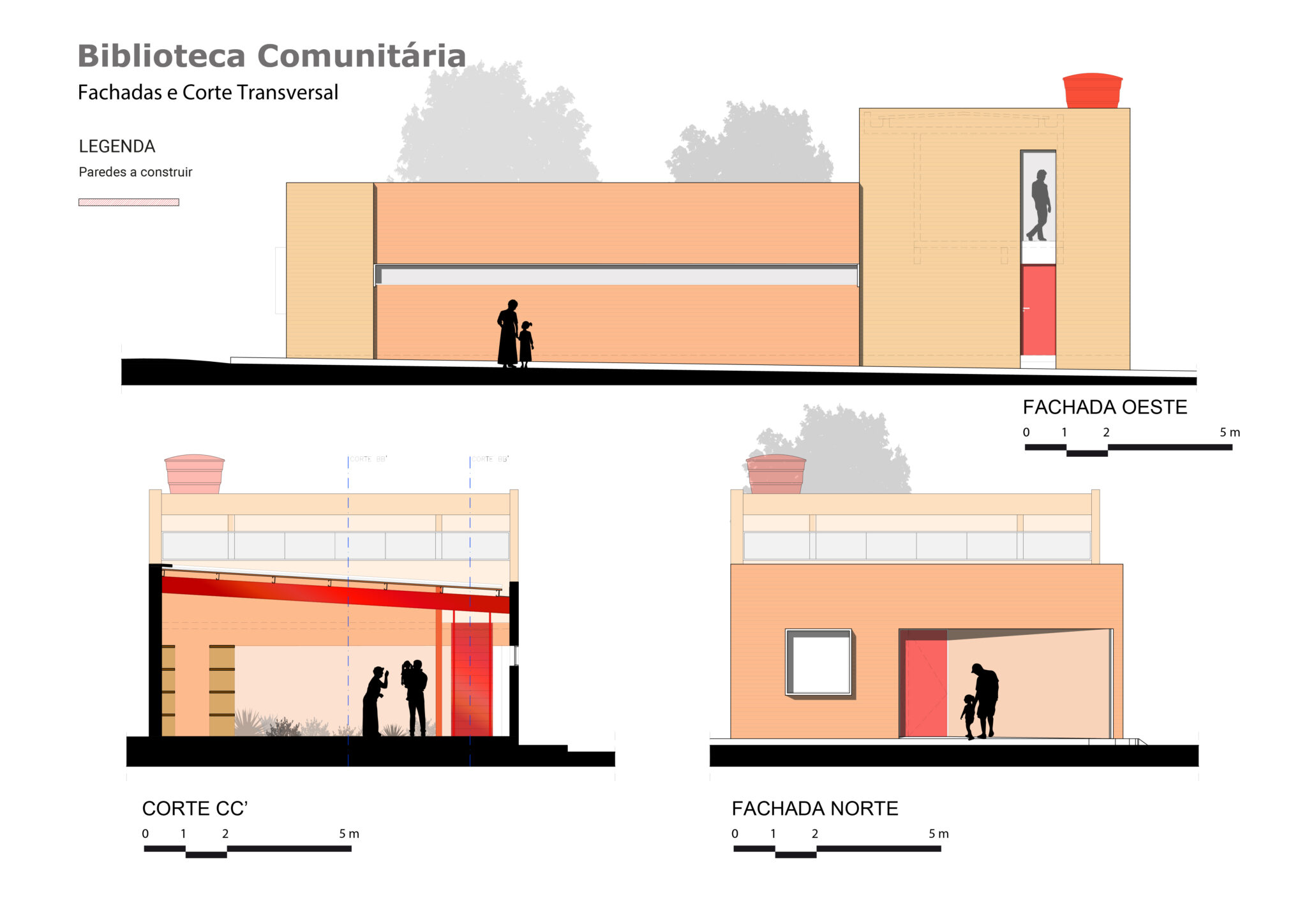
Permeability and spatial integration are fundamental to the proposal. The spatial arrangement — which includes reading areas, an administrative office, and a fluid distribution hall — ensures that the central void functions as the articulating element connecting all of the library’s activities. The result is a simple architecture that does not impose itself in a disconnected or decontextualized manner, but instead amplifies the existing strengths embedded in the spatiality of the former club, offering a safe, welcoming, and inspiring environment for education and social transformation.
Project developed in collaboration with Bono Arquitetos (@bonoarquitetos)
Year: 2026