Architecture / Cultural project
Mestre Salustiano was a visionary of Brazilian culture. In his dreams, he placed the art of the people first, always in a position of deserved prominence. But none of this came without great struggle, hard work, and deep dedication on his part. The Maracatu de Baque Solto Piaba de Ouro (@mbs.piaba_de_ouro), the Association of Baque Solto Maracatus of Pernambuco, Ilumiara Zumbi, and Casa da Rabeca (@casadarabeca) were material expressions of this grand and beautiful dream.
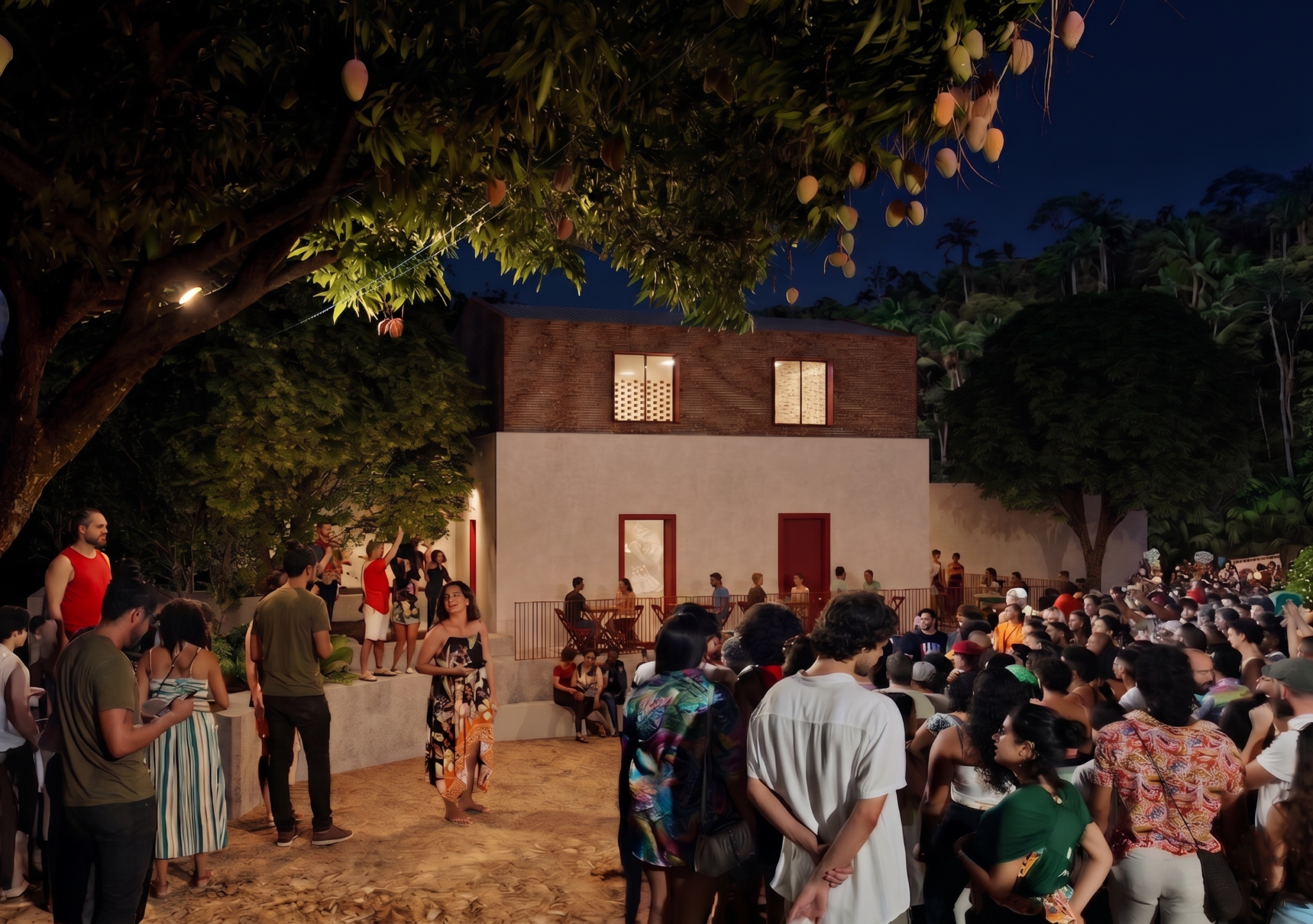
Today, we witness the realization of another dream – this time, a dream of the seeds he planted in this world, his children: the Mestre Salustiano Memorial. A space dedicated to safeguarding the history of art, music, struggles, and the life not only of Salu, but also of the memory of a country that still insists on confronting the voracious forces of a colonial mindset that remains alive and corrosive. It is a space of continuity between yesterday, today, and tomorrow. Above all, the Mestre Salustiano Memorial is a political space that affirms that the art and culture of a people have prevailed. They have overcome the barriers of prejudice and neglect; they have overcome the barriers of a lack of love for Brazil. The Memorial stands as a beacon of resistance and a testament to the strength and importance of Mestre Salu in the struggle for Brazilian culture.
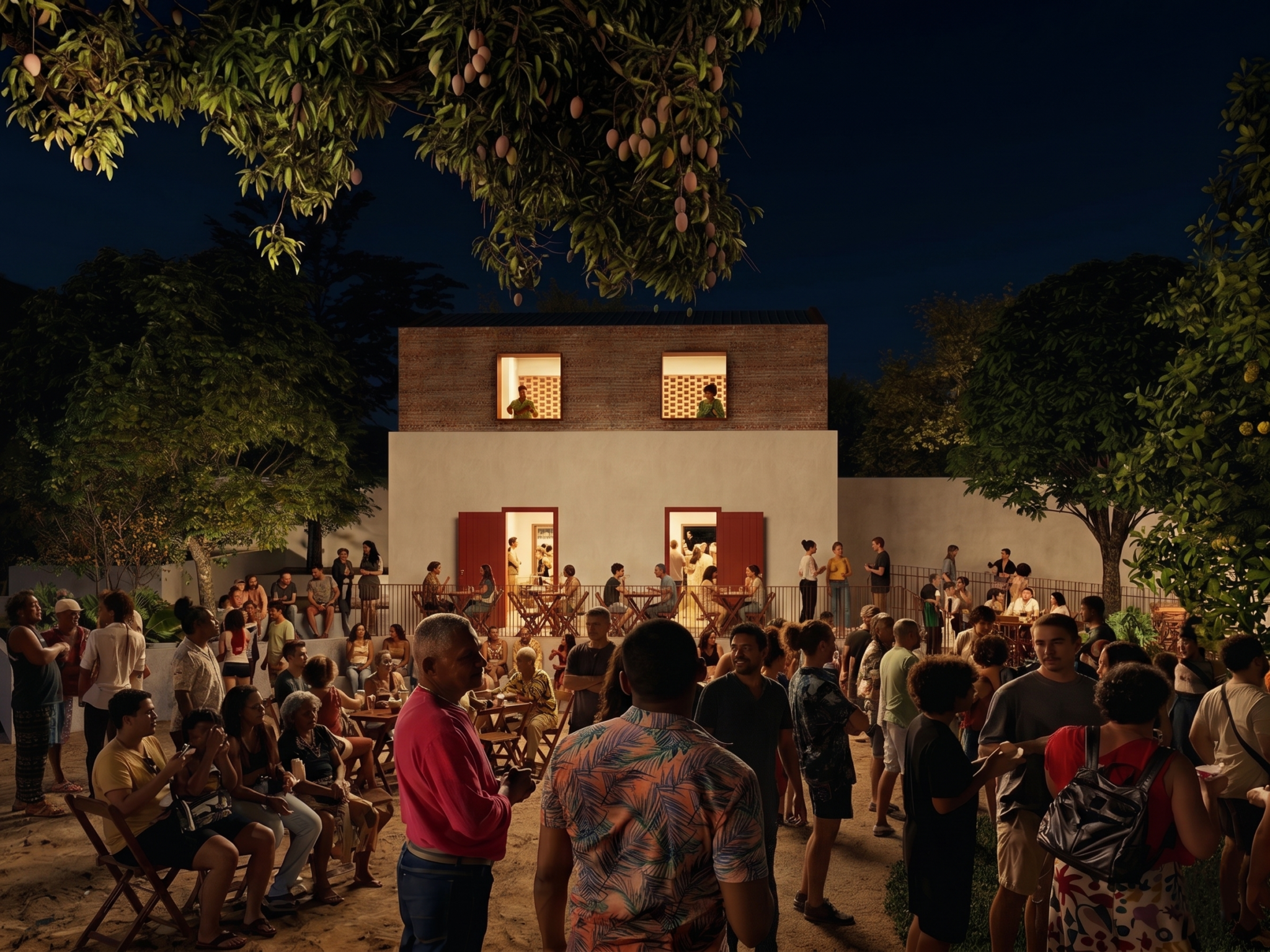
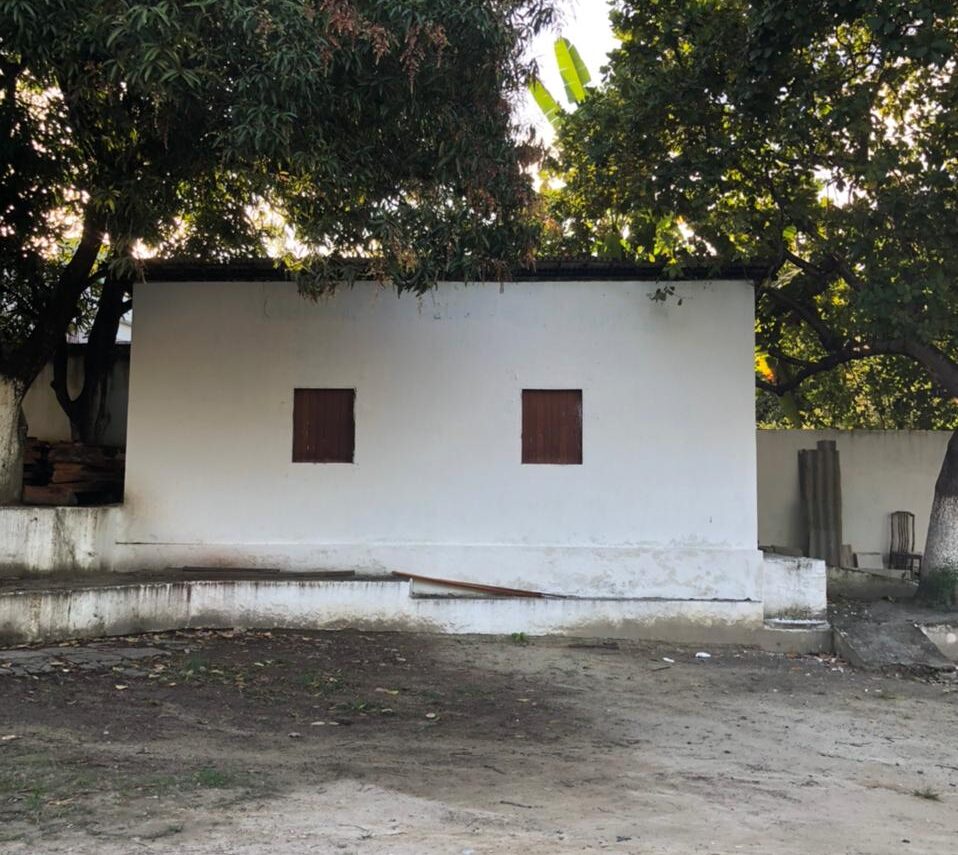
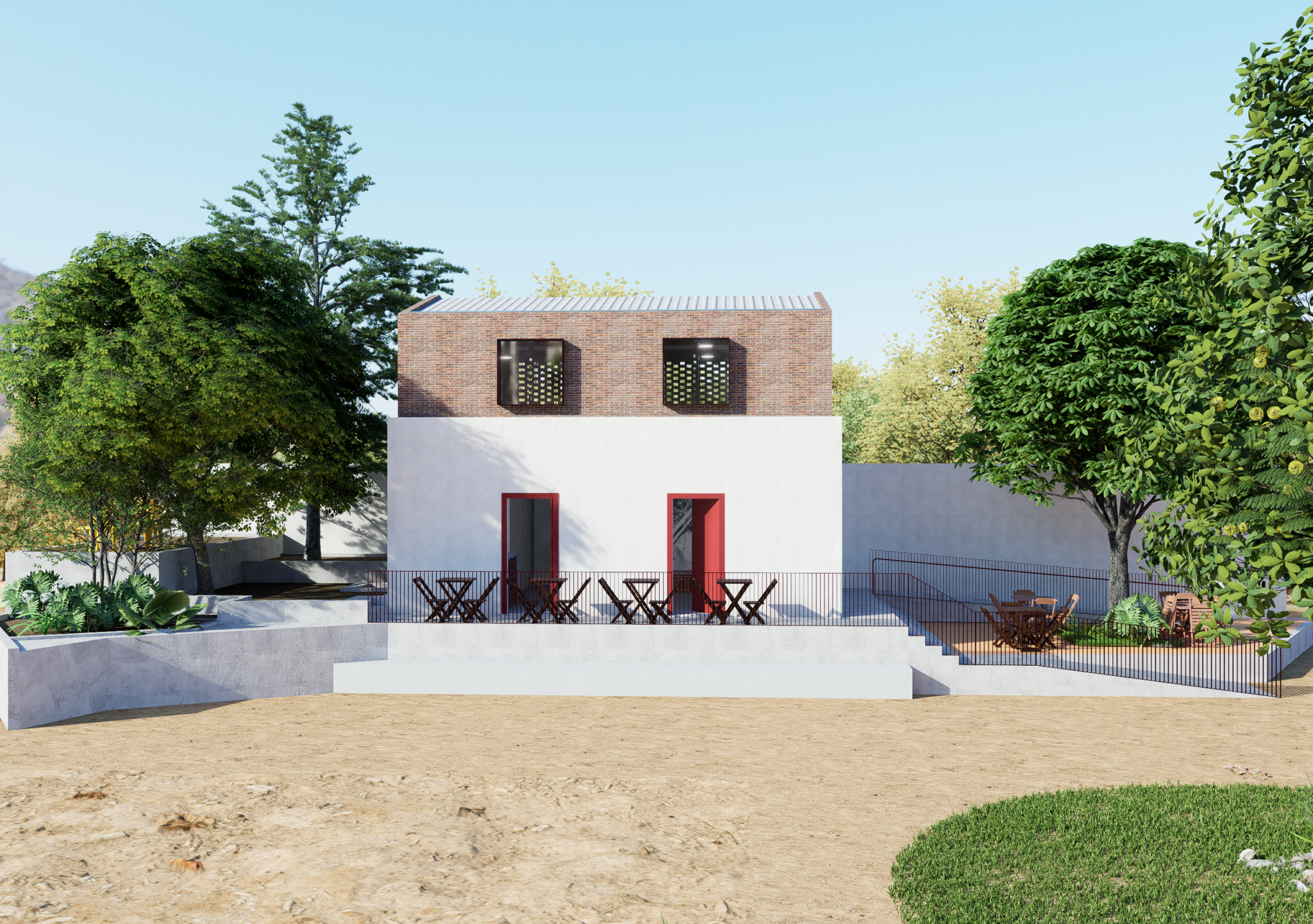
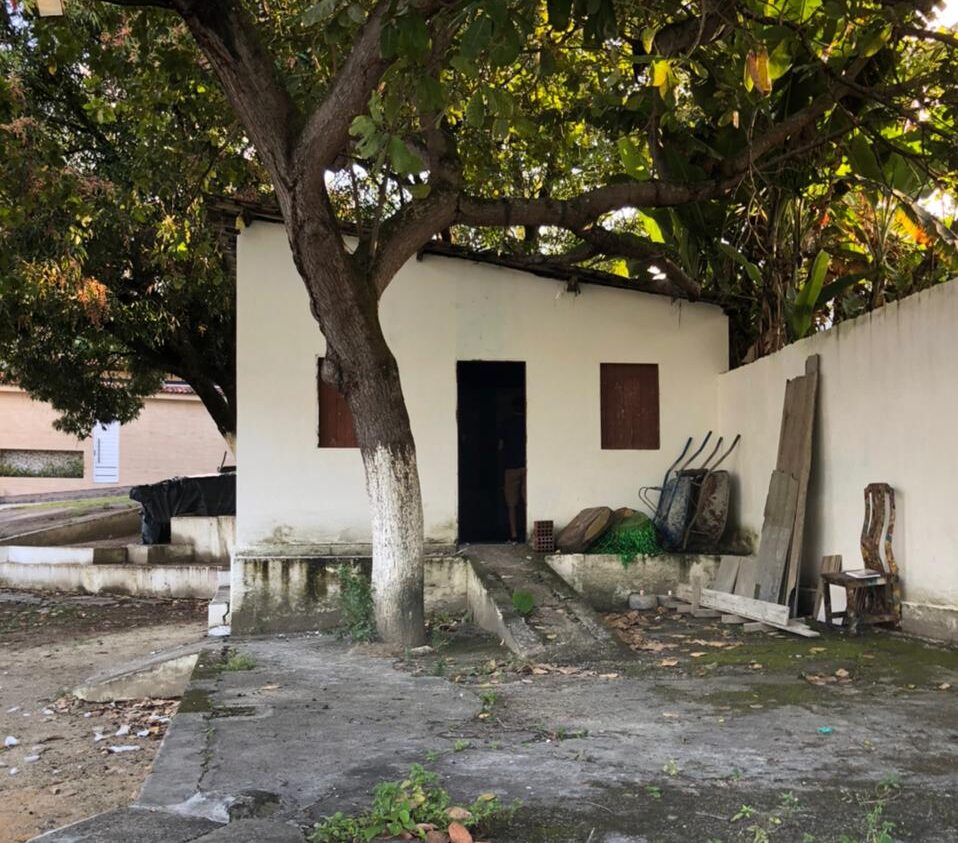
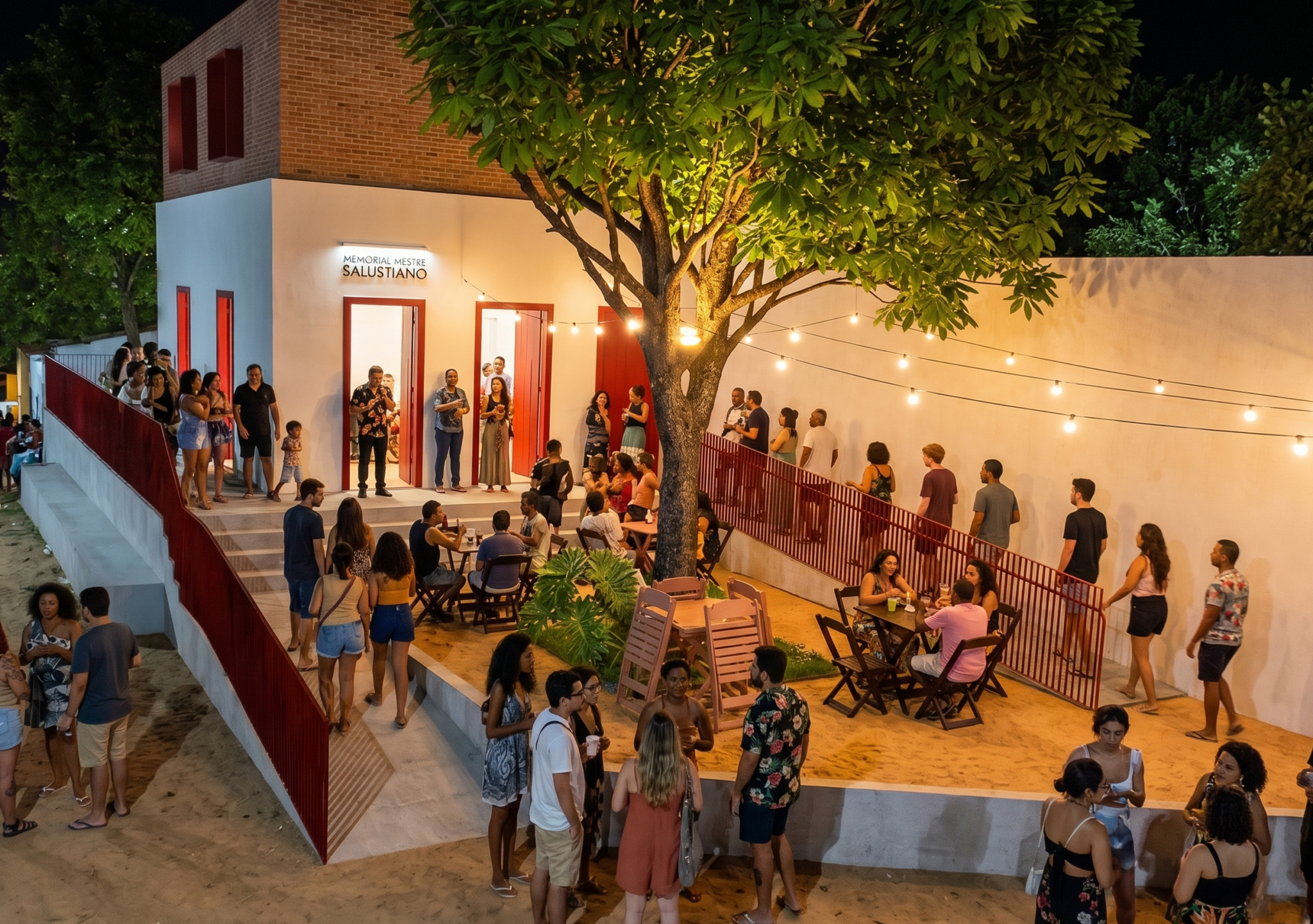
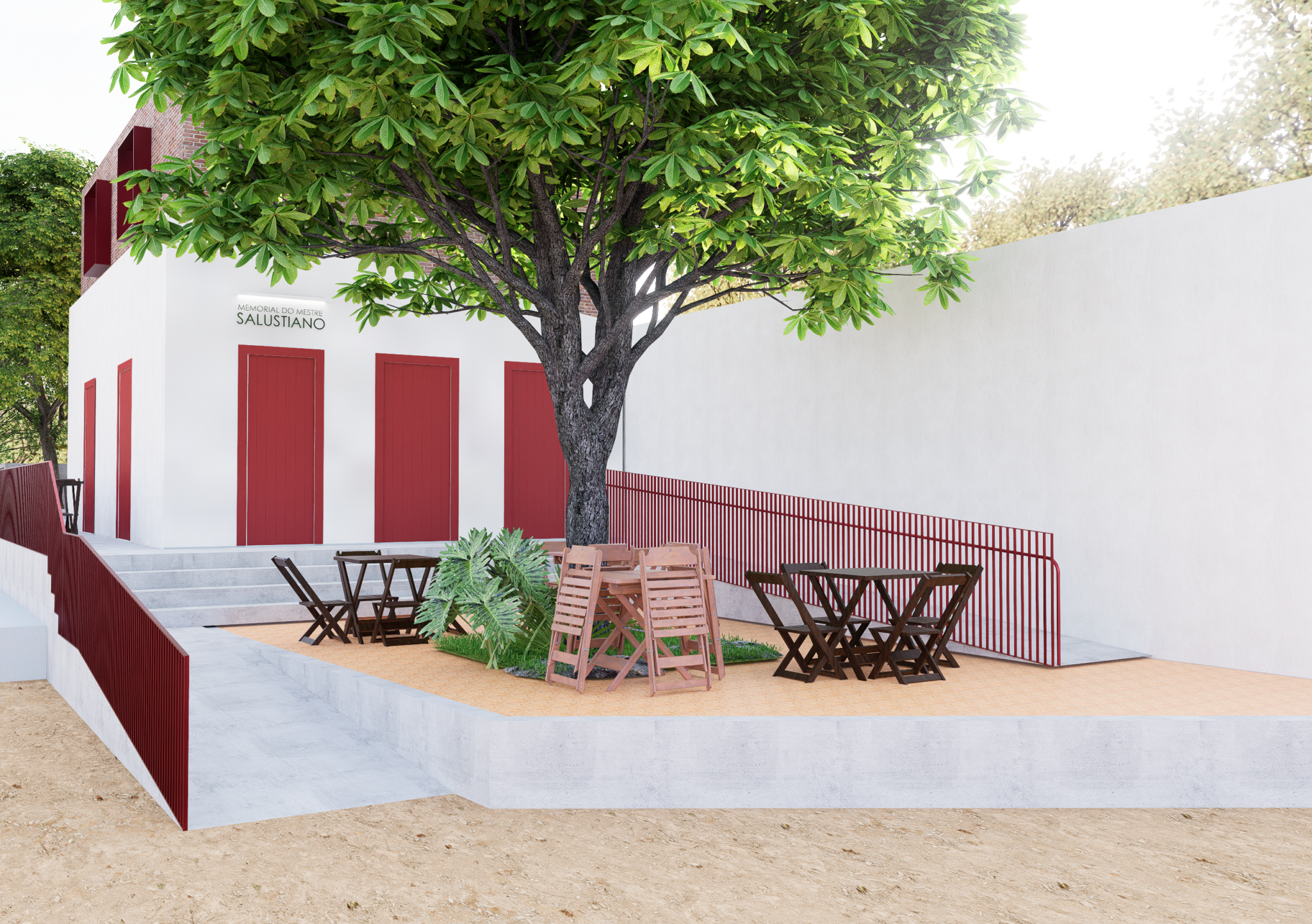
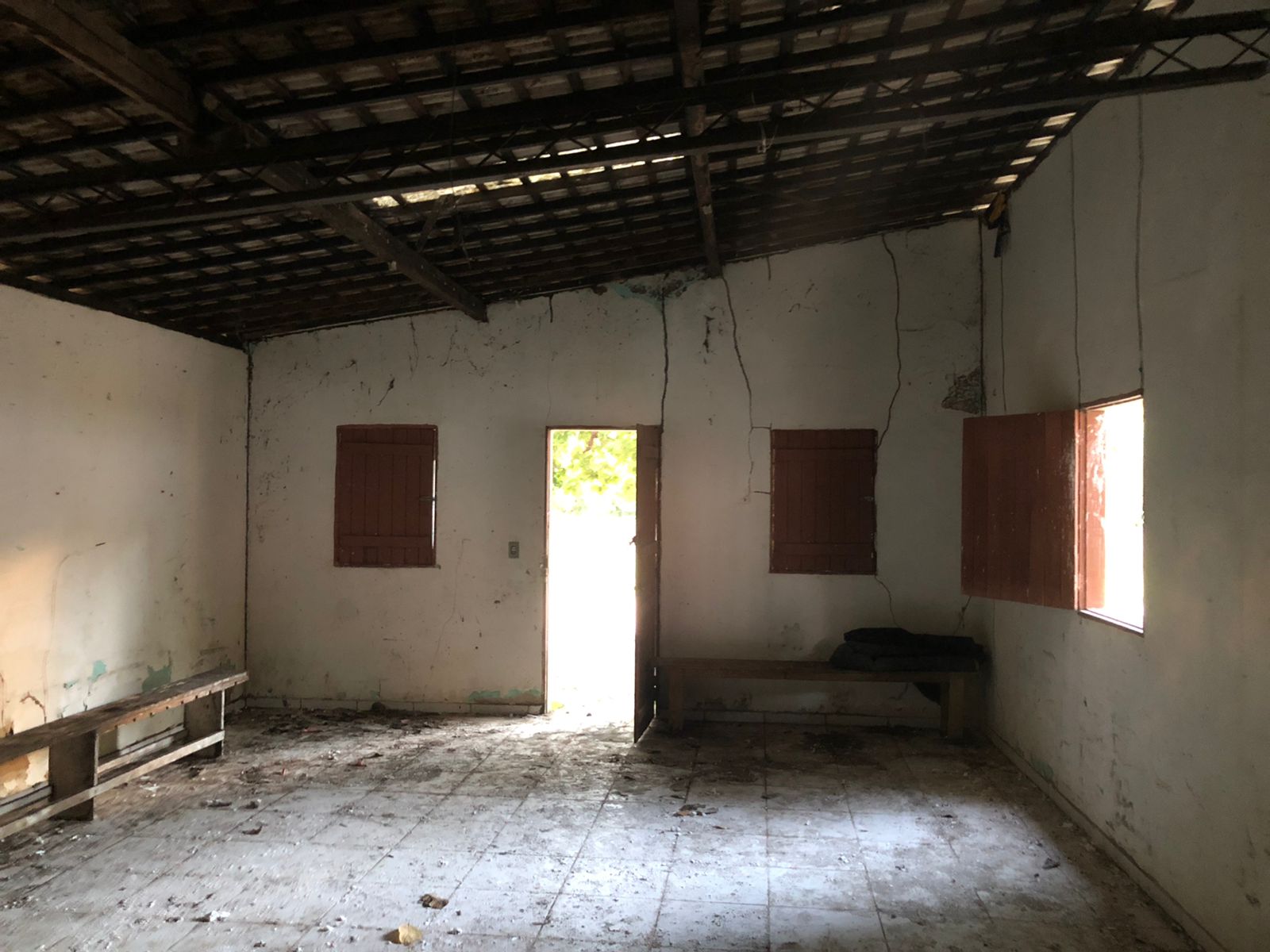
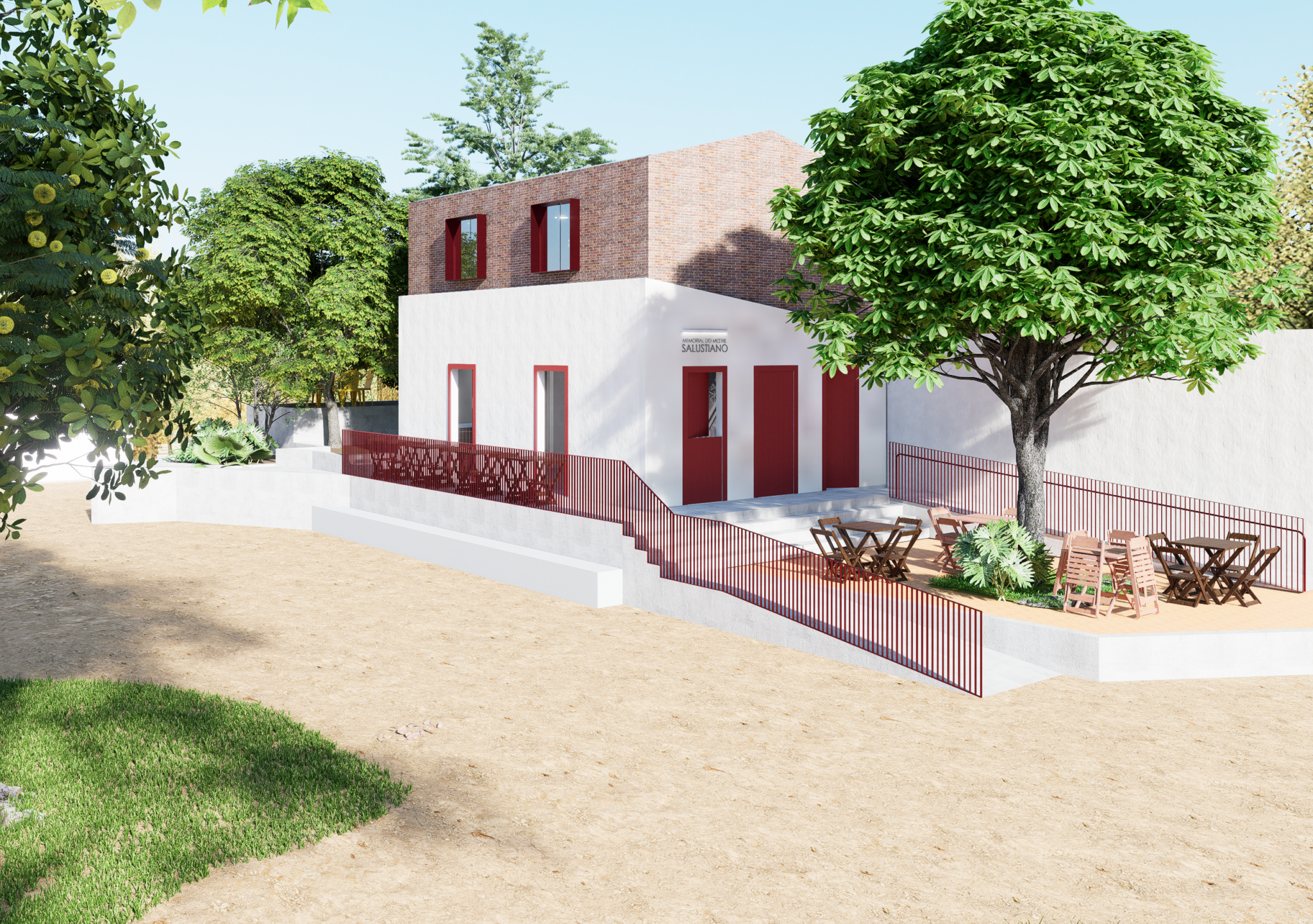
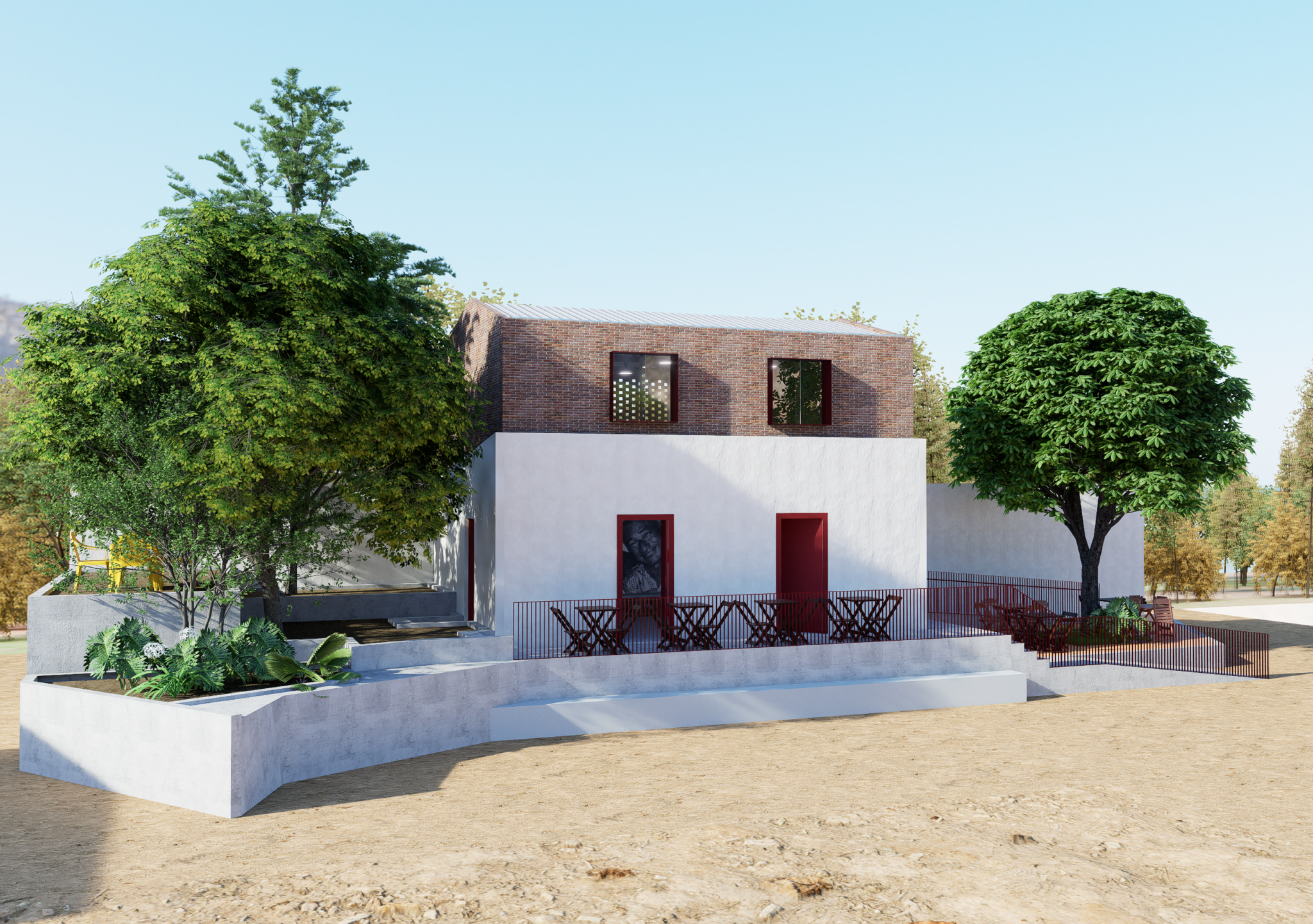
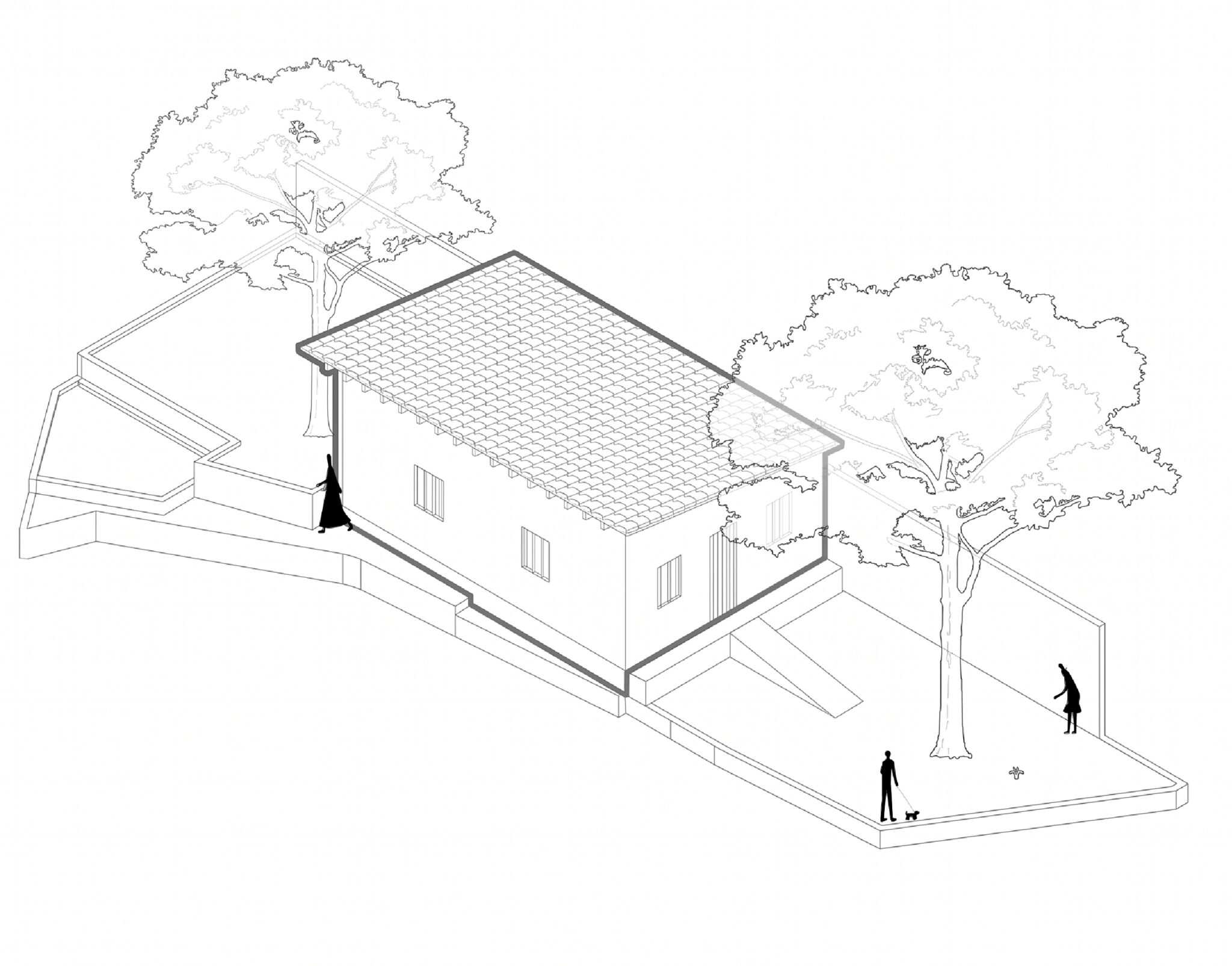
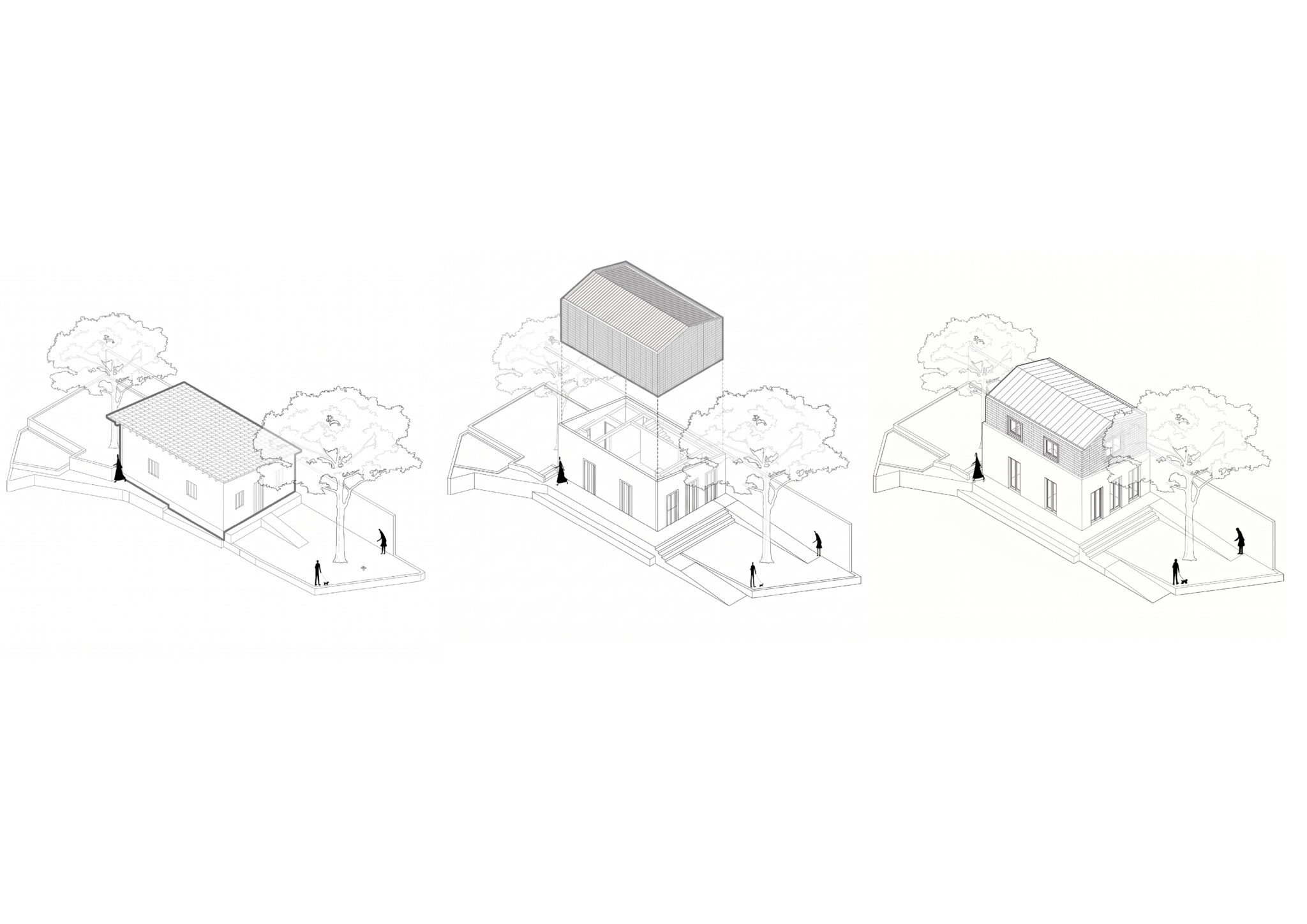
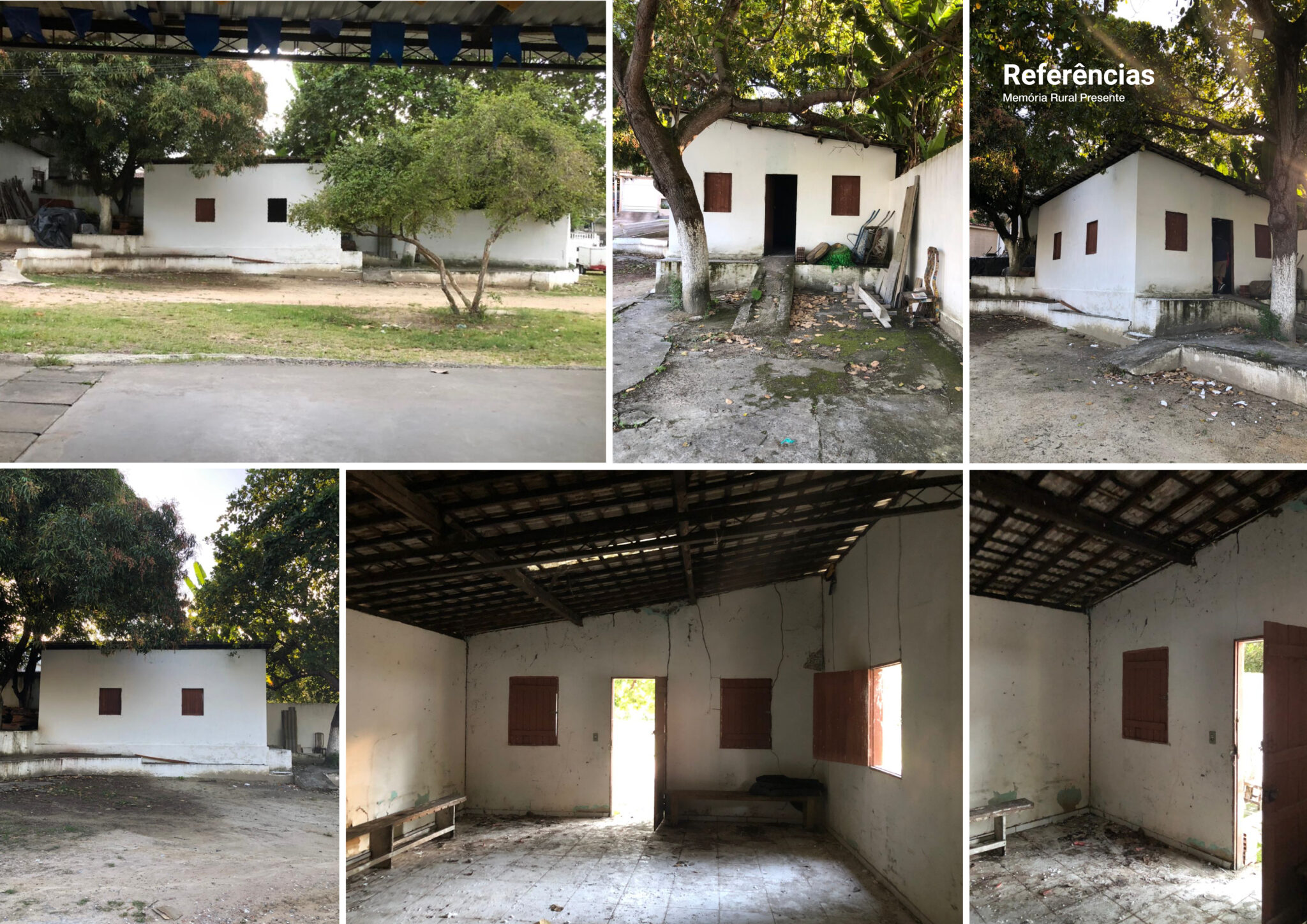
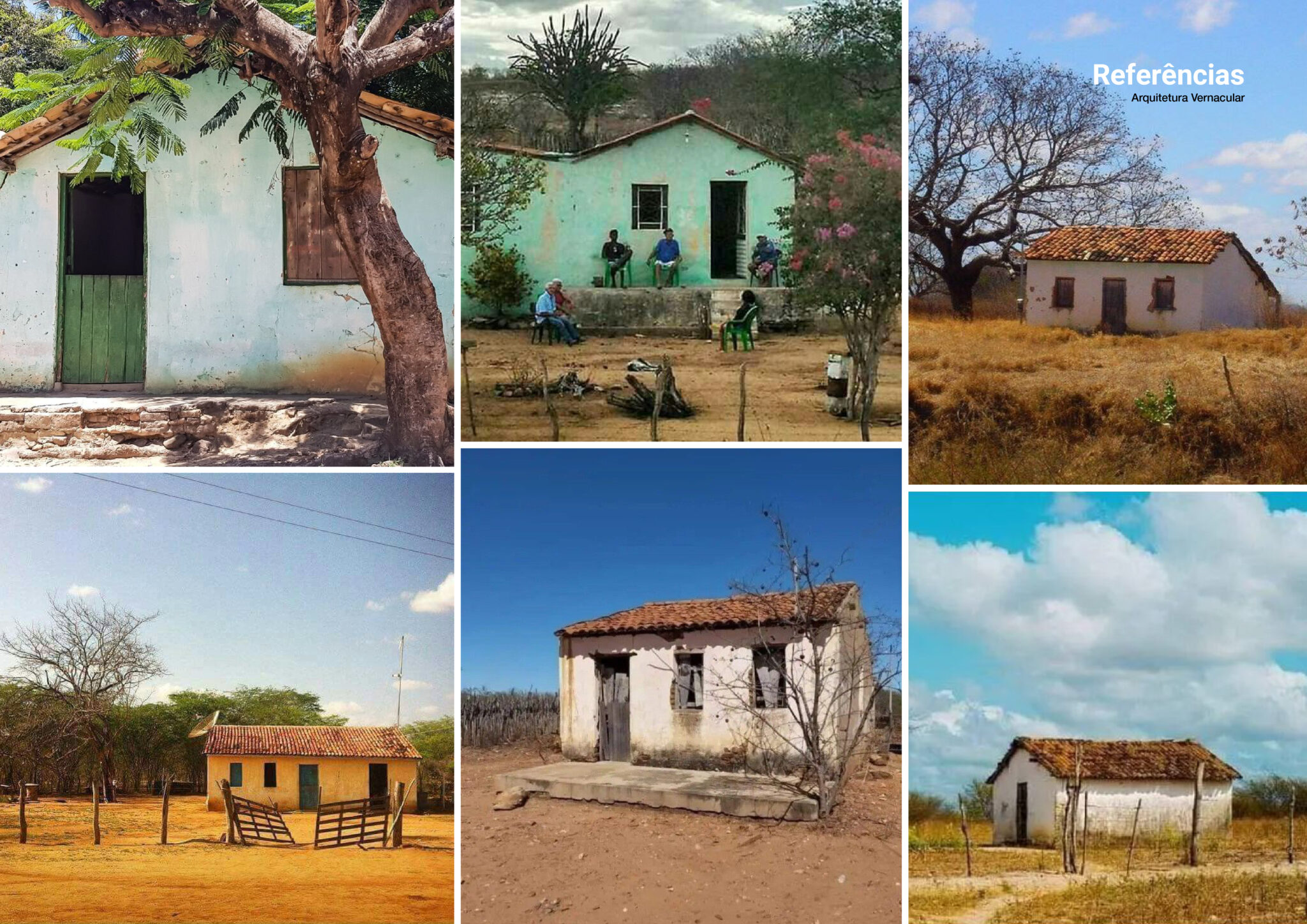
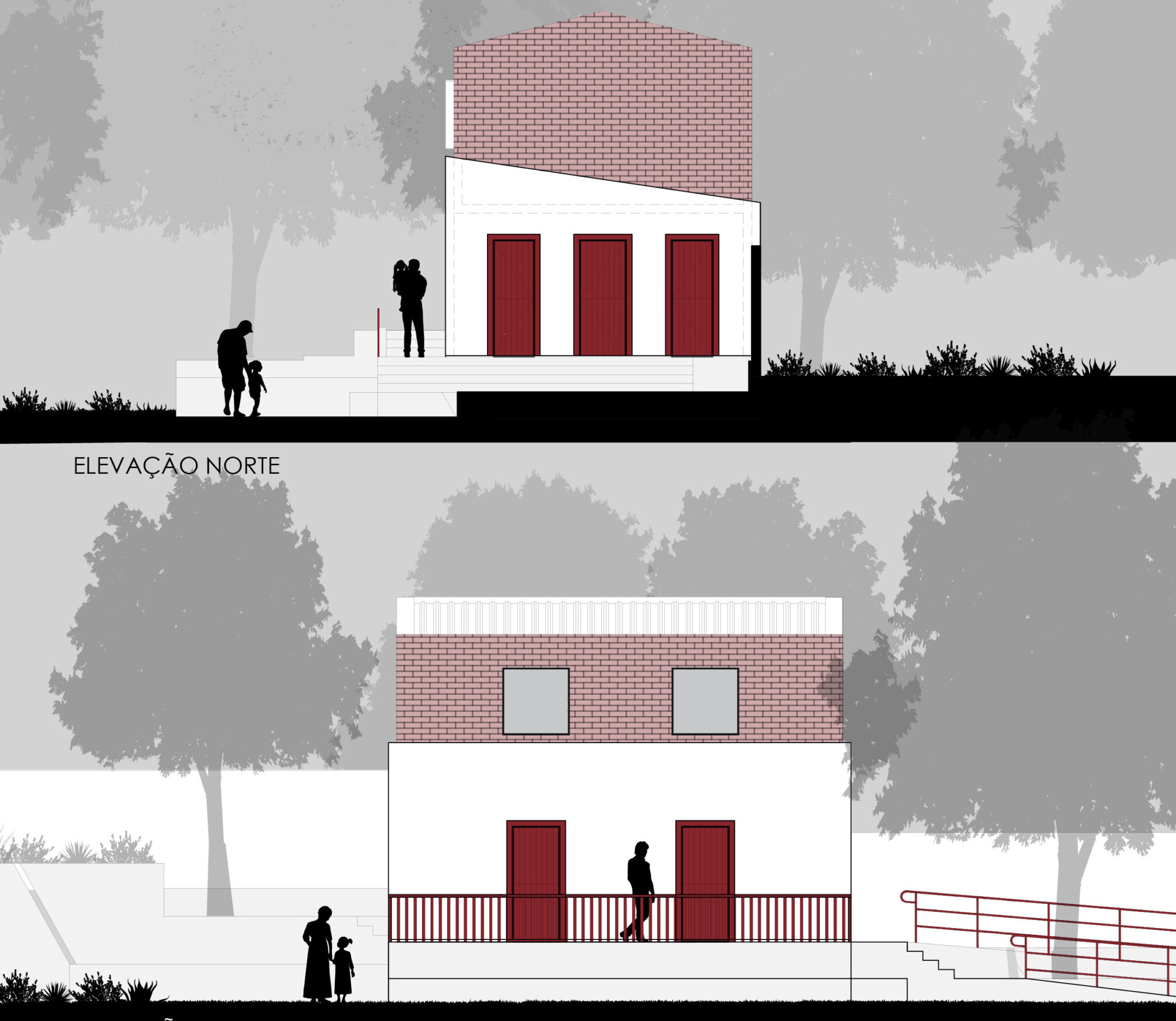
Not by coincidence, the site chosen for the Memorial’s headquarters is the last remaining example of rural architectural memory in its setting – an area that has been urbanized over the years and transformed by continuous external pressure for a new architectural aesthetic that is neutral, antiseptic, and generic (and, we might add, stripped of meaning). The proposal for the new space emphasizes this architectural relic – a small house with a door and windows, topped by a single-pitch roof, now unused and nearly in ruin – and calls it back to life to evoke Salu’s own memories and his origins in a rural, communal, more affectionate and celebratory way of life.
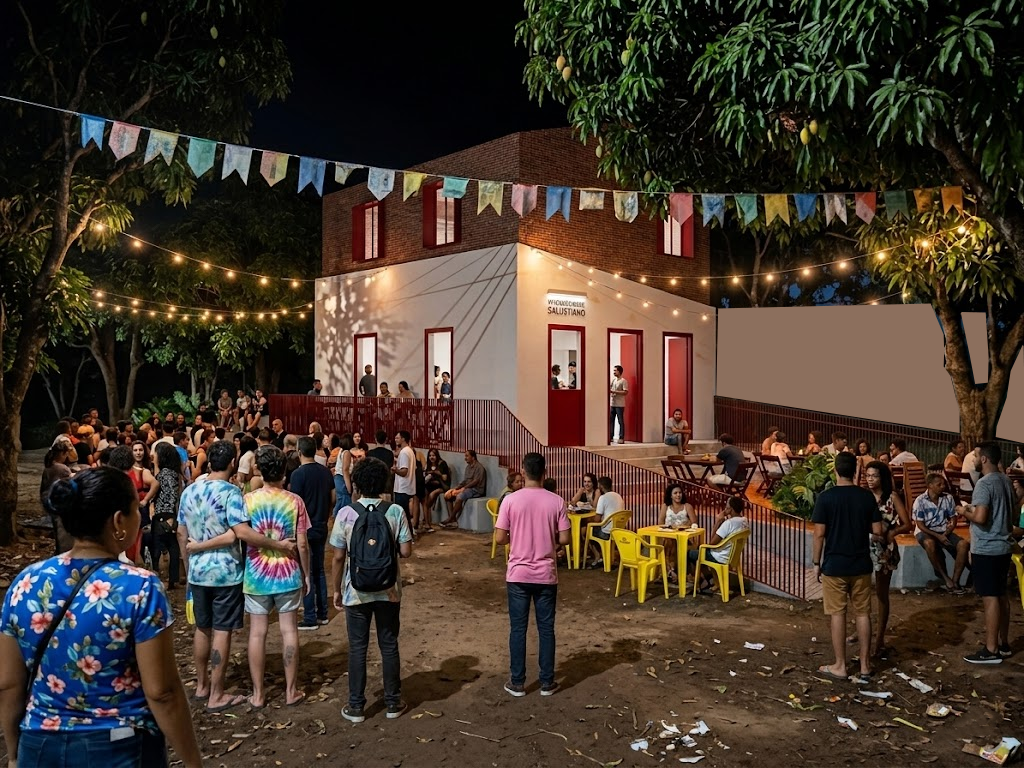
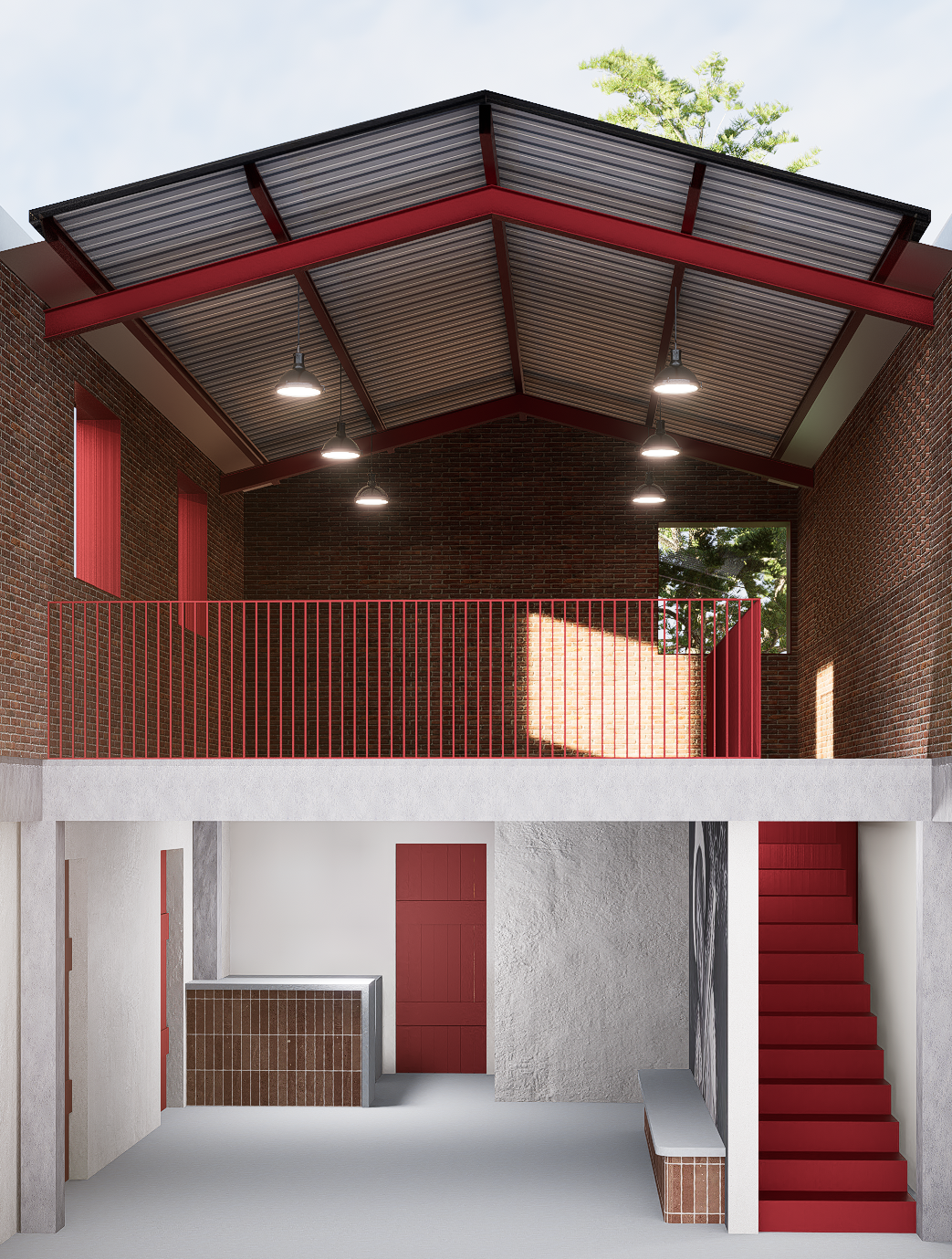
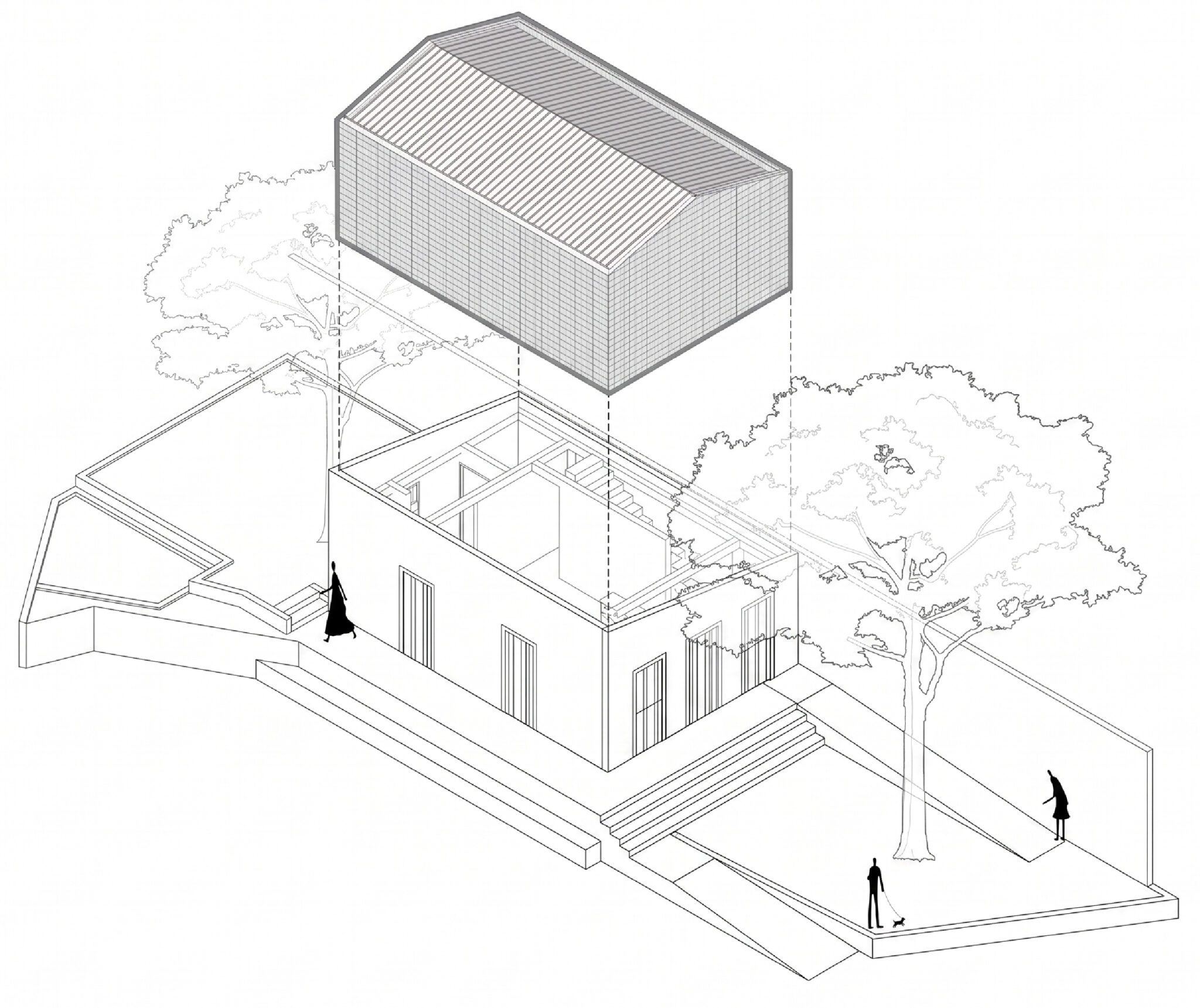
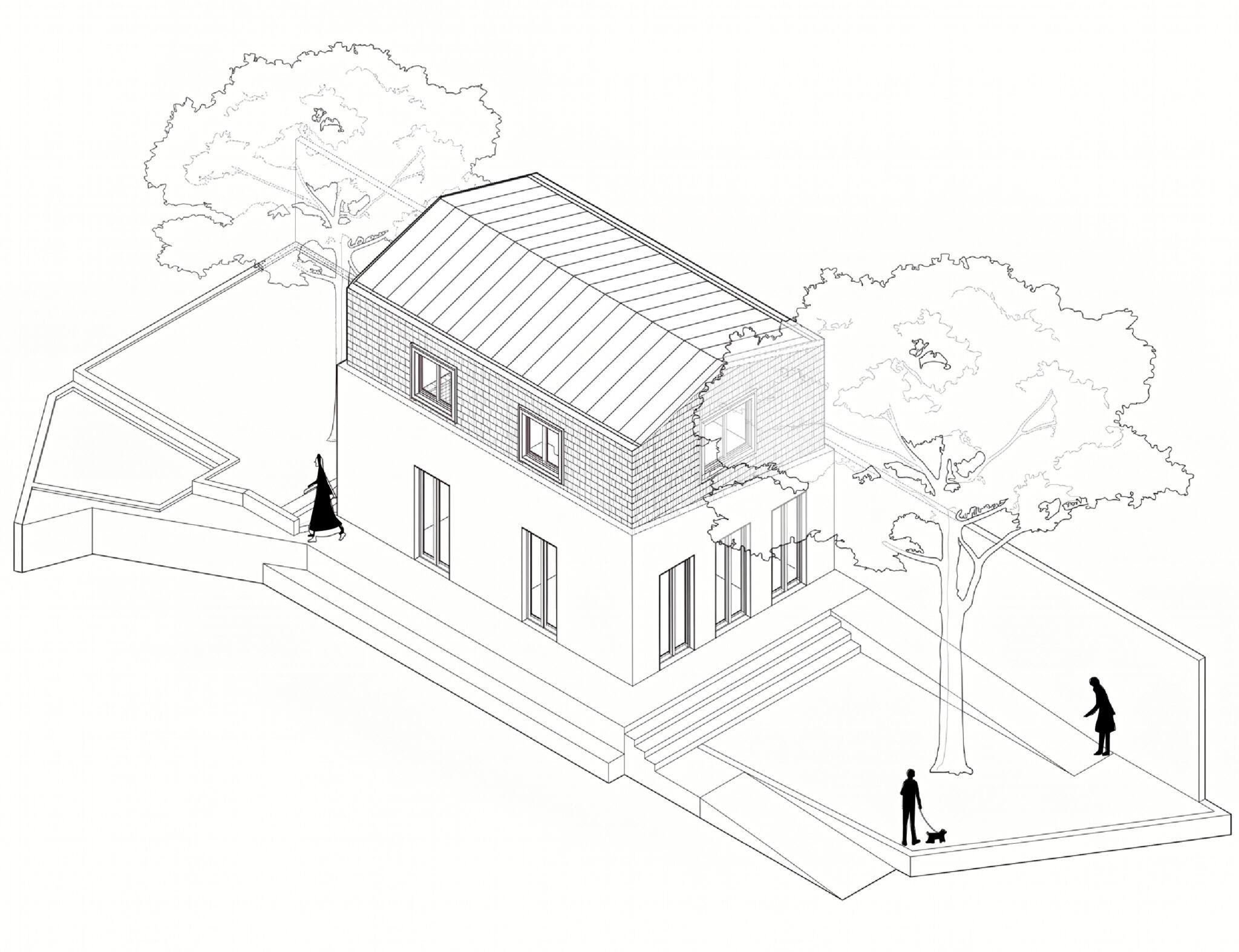
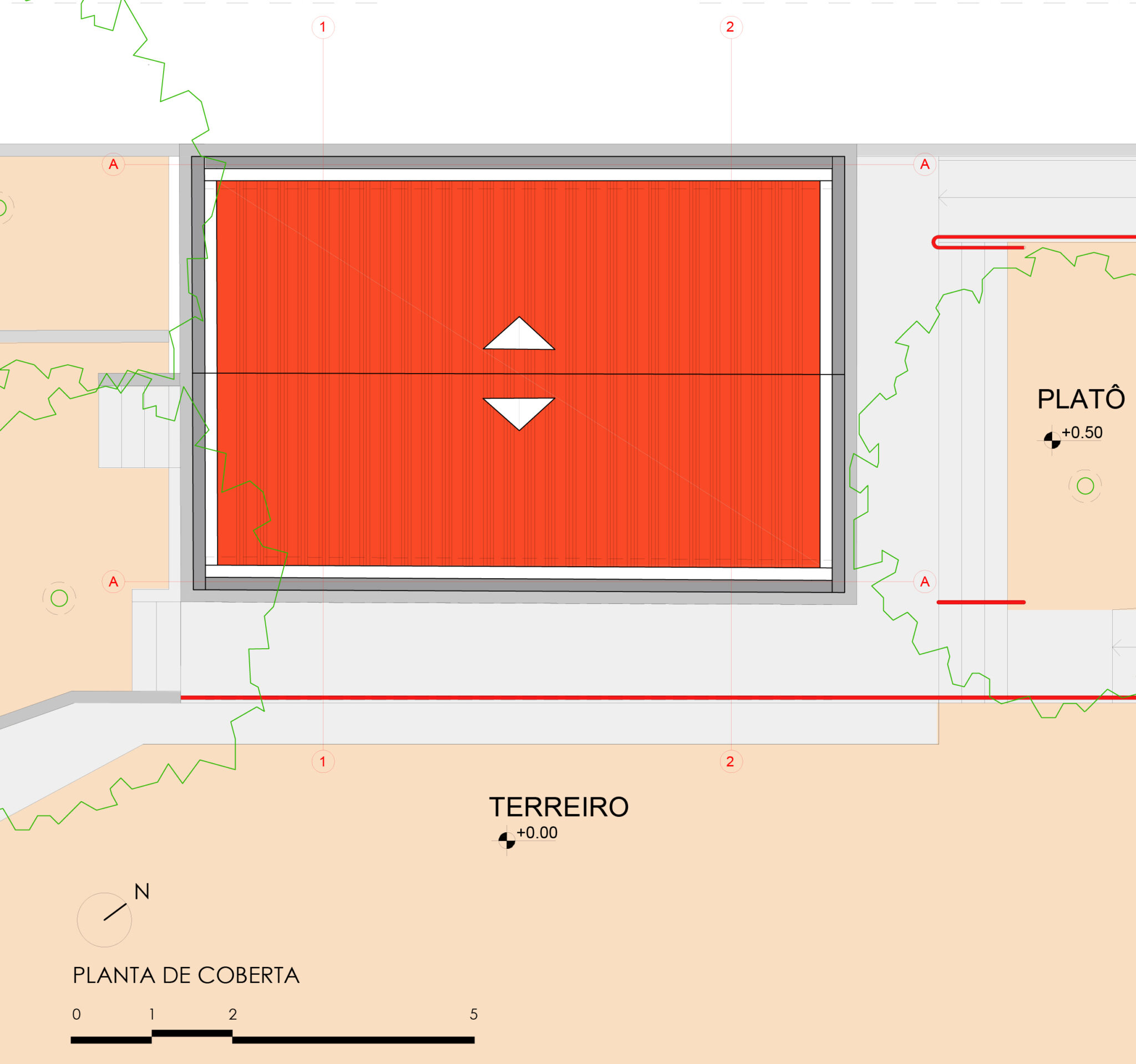
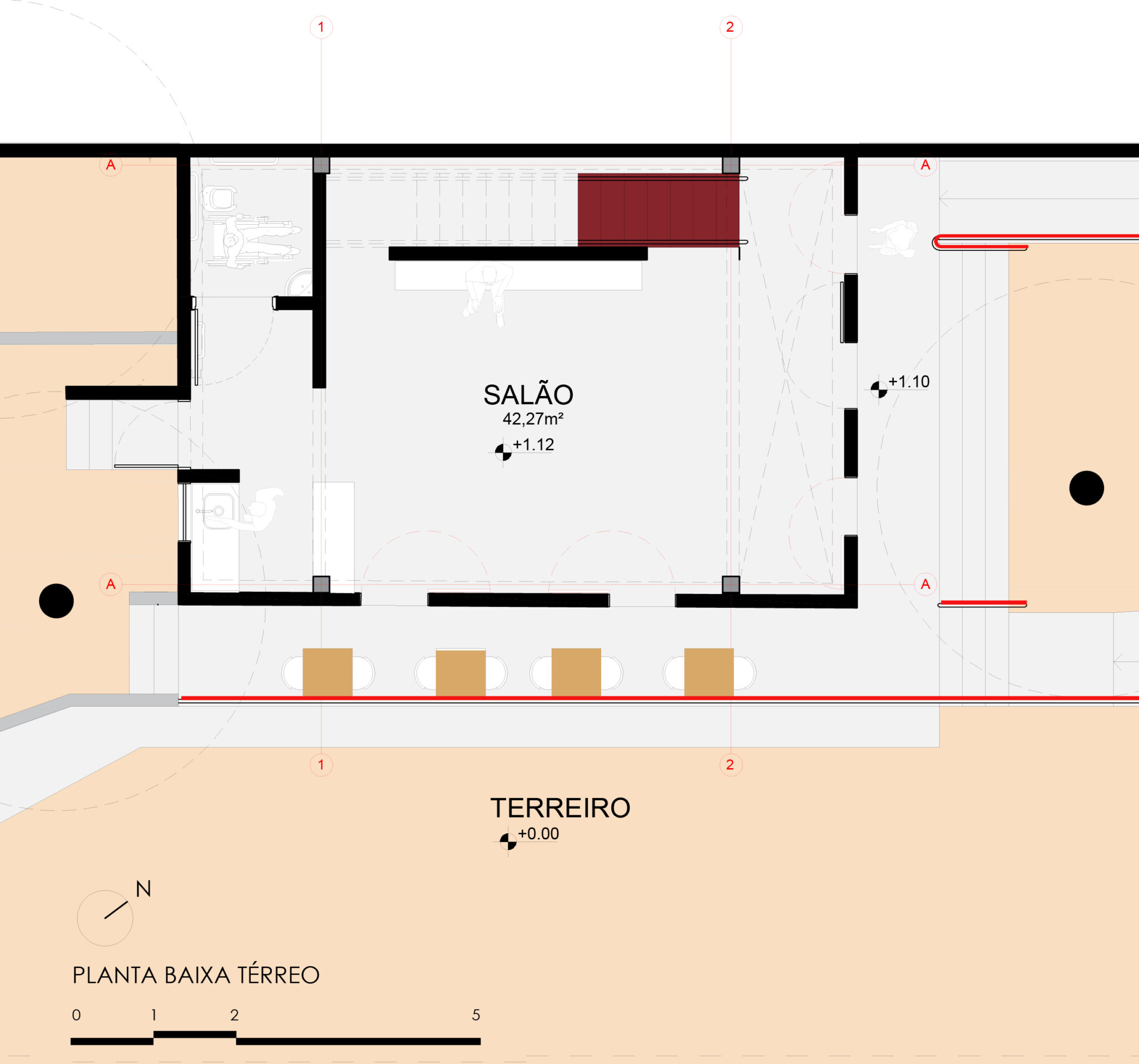
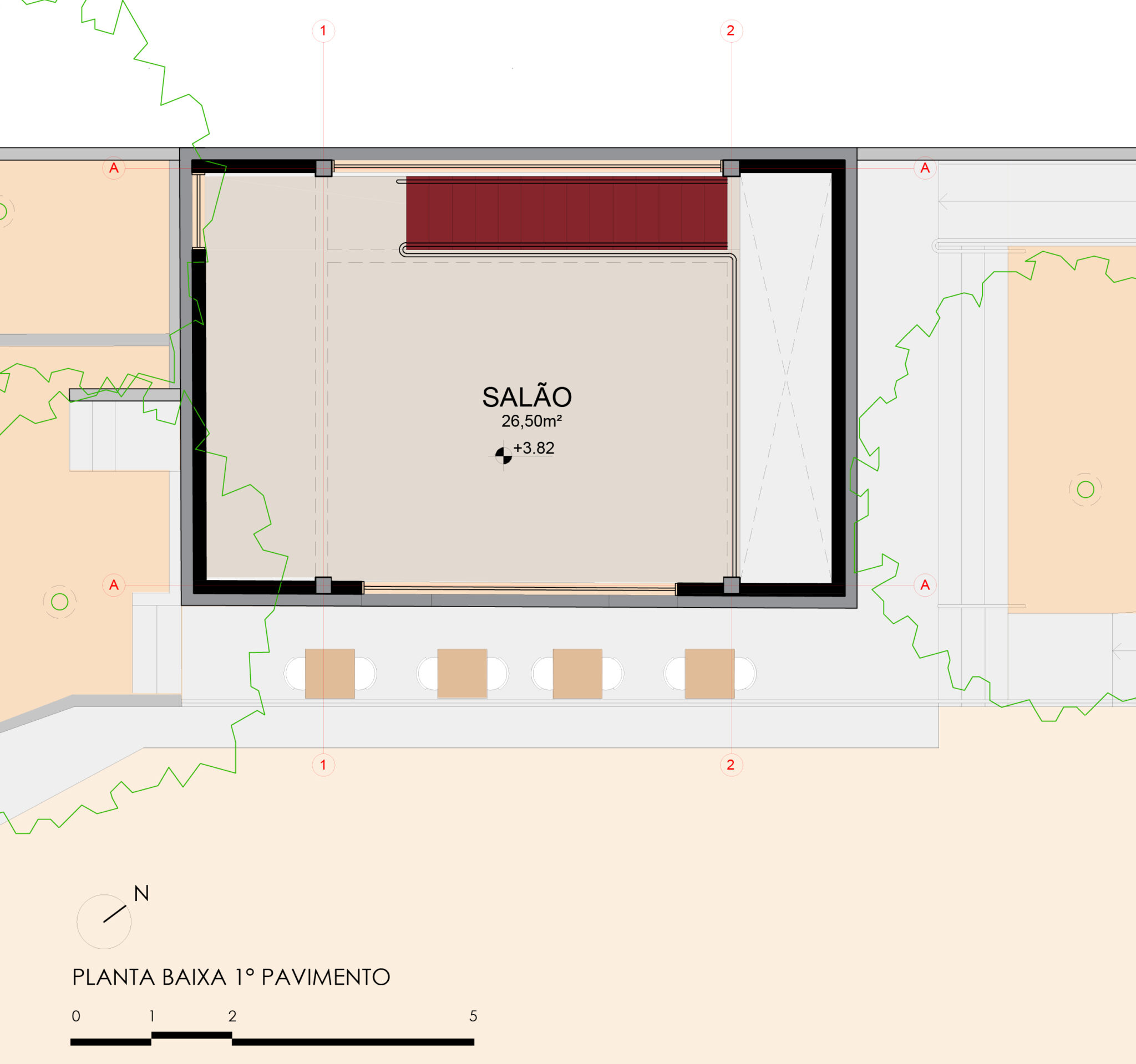
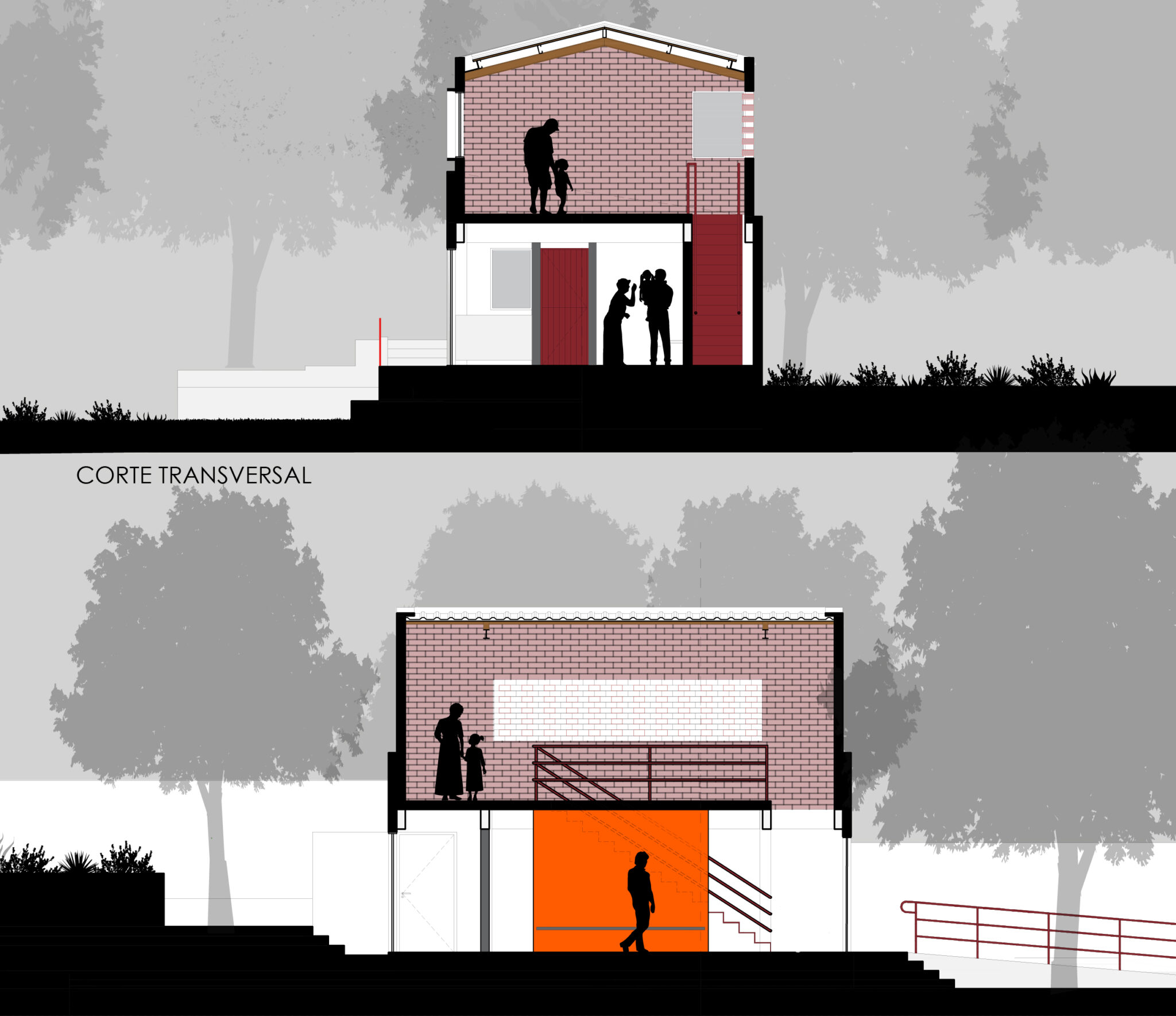
With the restoration of this small house and the need to expand the area to safeguard the Salu family’s collection, the project opted to introduce an upper floor through a new volume made of exposed ecological brick, with a sober and restrained expression out of respect for the vernacular structure. In this way, the new architectural element “emerges” from the vernacular one and does not seek prominence. On the contrary, both come together to form a new architectural object that honors history and memory. The Memorial also engages with its outdoor spaces, connecting the terrace at the front with the one at the back – both embraced by lush trees – and with the Cavalo-Marinho courtyard of the Salu family in front. It not only brings together physical spaces, but also establishes itself as a hub for education and the preservation of Brazilian culture.
Project developed in collaboration with Bono Arquitetos (@bonoarquitetos)
Year: 2025